You wrote your book, and now you’re ready for it to be out there in the world for everyone to see.
Except you have no idea how to get it out there so readers can buy it.
You’ve spoken to your writer friends or browsed the forums, and the number of authors with unsold books is…scary. Could your book fall into that crowd?
Absolutely not.
Selling a book isn’t just a lottery system where some books become bestsellers and others don’t. Yes, luck is involved, but if you don’t put effort into selling your book, luck won’t matter.
We’re going to help you create some of your own luck with this top-down view of the processes you need to go through to ensure your book doesn’t gather cobwebs but instead lands in the hands of your ideal reader.
Do These 2 Things To Start Selling More Books
Many authors get tripped up early on in the process by ignoring an important consideration: The business side of things.
Being an author is just like owning a business. You have a product you’re passionate about (your book) and customers you want to sell it to (your readers).
So, if you want to sell your book, you need to understand the climate of your genre and what type of readers read your genre.
Let’s dig a little deeper…
Get your book market ready
The first step is to define your book’s genre, hook, and atmosphere. Then do some research to see if your book is a high-demand or low-demand topic for readers. For example, as of writing this blog, romantasy is in high demand!
If you have a high-demand topic, then great! Plow ahead! If not, it’s best you reset your expectations and strategies.
For example, if you’re writing a niche business book, you may not have a high chance of being a bestseller. But you’ll probably get more sales at an airport bookstore where many business people frequent than at a regular bookstore.
The next step is to look at your competition. Not only will you get a better idea of how and where to sell your book, you’ll know exactly what you’re up against.
For example, for fiction books, you’ll have a better feeling of what hooks readers and what tropes appeal to them (or which don’t!). For non-fiction, you can see how they’re trying to appeal to readers. Find your unique angle and gaps in their discussion, and add them to your book!
Appeal to your readers
A book could have bestseller potential and still get only a few sales. It probably means it’s being sold in the wrong places.
Start by browsing Goodreads, Amazon, social media, and other forums to see the type of readers who read books like yours. What are their hobbies and interests? Where do they hang out online or in real life?
Then create reader profiles and segment your audience to better understand how to appeal to them. Remember you’re not trying to attract readers to you, you’re trying to meet them where they are and promote your book.
For example, if you’ve written a self-help book, you could send a press release to self-help influencers and podcasters and ask to appear on their platforms to get exposure to their audience.
The trick to selling more books: Simply write more! The more books you write and publish, the more opportunities you have to find your big hitter that reels in your readers.
How To Sell A Book
With all of that done, the real hard work begins. We’re going to cover the step-by-step process that you’ll go through to sell your book.
Keep in mind that the process can inherently look different for every author, and this is just a top-down guide.
1. Prepare to publish your book
Finished your manuscript? Great! Now you’re ready to get the loose ends of your book tied up before you publish and start selling your book.
This blog will be miles long if we had to go into too much detail. So, here’s your checklist on how to prepare your book for publication (and a quick look at each item):
- Author brand
- Book cover
- Blurb
- Author bio
- Professional reviews
- Reader reviews
- Author website
- Metadata
1. Author brand
Your brand is your lasting impression on readers. It’s the thought that comes to their minds when they think of you.
For non-fiction authors, it’s your area of expertise, how you engage a crowd (inspiration, funny, or friendly), etc. For fiction authors, it’s the covers and themes for your books, the type of extra content you share, like novellas and short stories, or the style of content, like character-driven plots and shocking twists.
Your brand needs to be consistent across your books and online platforms. Ideally, you’d start building your brand before you publish so that there’s an audience waiting for your book instead of trying to find one to buy it.
Want to learn more about author branding and how to build yours? Check out our blog: Author Branding (How to Get Known and Build A Following)
2. Book cover
Book covers are made for judging – don’t let anyone tell you any differently! Whether it’s in a bookstore or an online store like Amazon, the quality of your cover is a big player in whether you get sales or not.
A poor quality book cover gives the impression that the content inside the covers is of poor quality.
You can design it yourself if you have the chops to do it, but there’s no shame in using a graphics designer. Just remember to consider the trends in your genre, as it will help you create an attention-grabbing cover.
Top Tip 1: Ensure your cover aptly represents your story and atmosphere, or you’ll attract the wrong audience. Check out our blog for some inspiration: The Best Book Cover Ideas 2026
3. Book blurb
Once your book cover piques a reader’s interest, the description on the back of your book sells them on the story. Blurbs are placed on your Amazon product page, too, so they also play a big role in getting you those digital book sales.
A good blurb describes:
- The genre
- The main characters
- The setting
- What’s unique about the book’s story
- Why they should care about the story
Top Tip 2: Don’t give away too much in your blurb. It’ll spoil the story! Make sure to balance tension and intrigue to capture the reader’s attention.
4. Author bio
Are you Stephen King? No? Then, readers don’t know who you are.
Since readers love connecting with what they’re consuming on a deeper level, providing a bio allows them to do just that. Writing a good one allows you to bolster your Amazon book page with all the details a reader would be curious about.
A bio gives them a professional view of who you are and what sets you apart. For non-fiction authors, it’s vital in building authority and trust in your brand.
Top Tip 3: Only share what you want to! Don’t feel pressure to share details of your personal life if it makes you uncomfortable. You decide what you want readers to know about you.
5. Reviews
Nothing convinces someone to buy something more than good reviews. Having reviews on your book on launch day will do wonders for your book sales.
If you have 100 or more reviews, it’ll be easier to run Facebook ads for your book, since there’s social proof to back it up.
You can get professional book reviews from places like Netgalley, where you share an ARC of your book with readers for them to share reviews when your book launches, and recommend it to their community.
Top Tip 4: Share your book with beta readers and a launch team to get even more reviews on launch day!
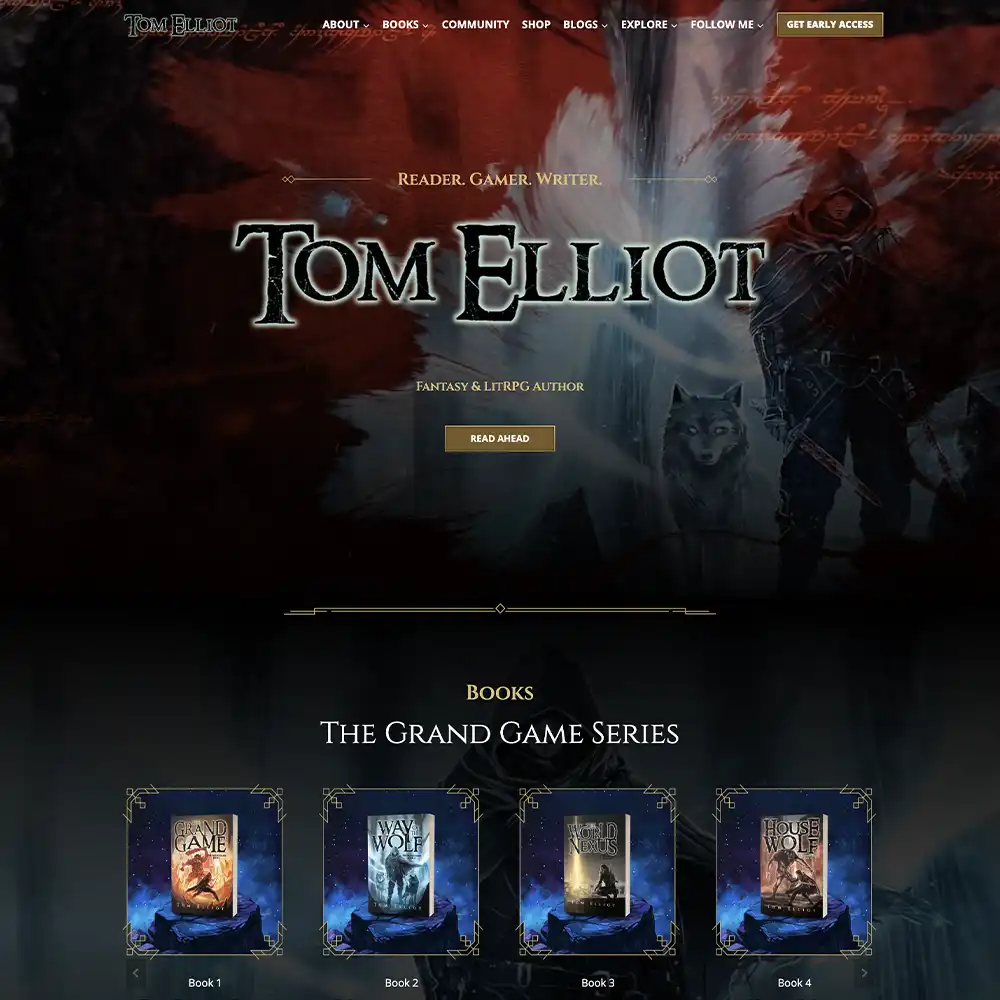
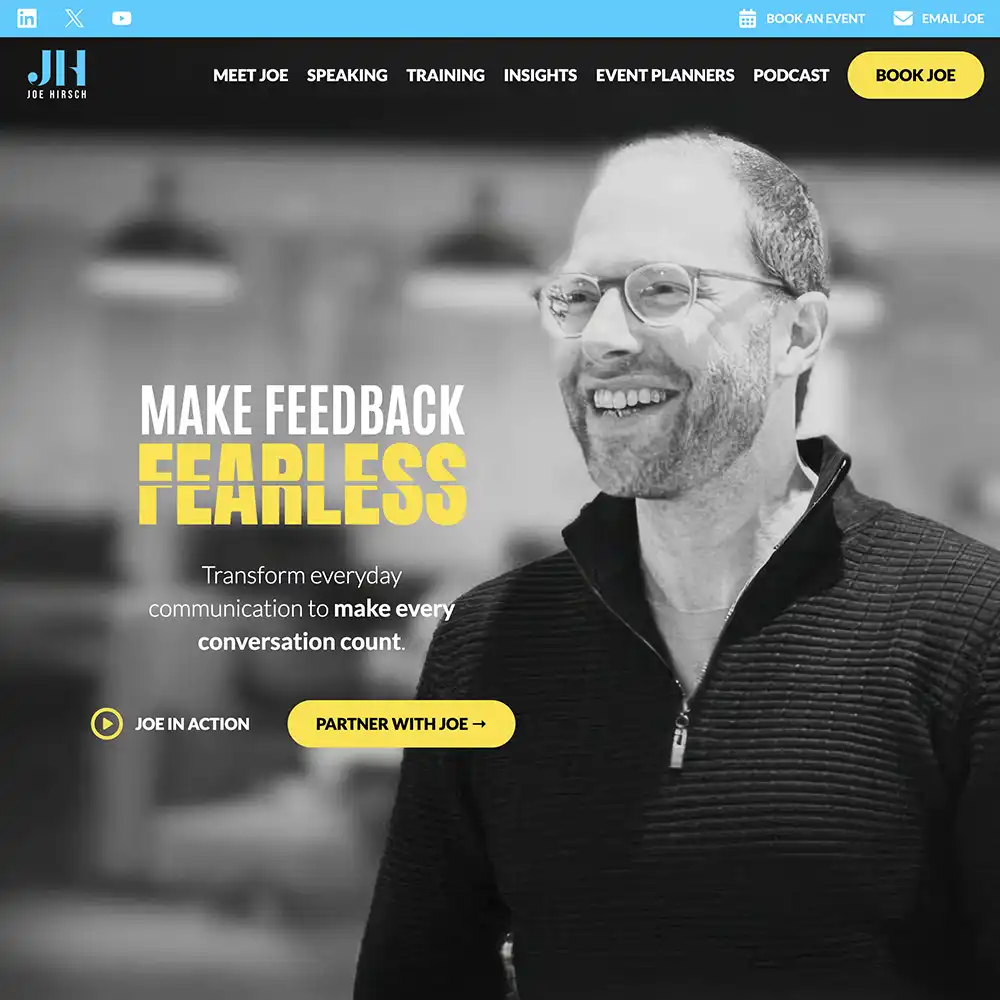
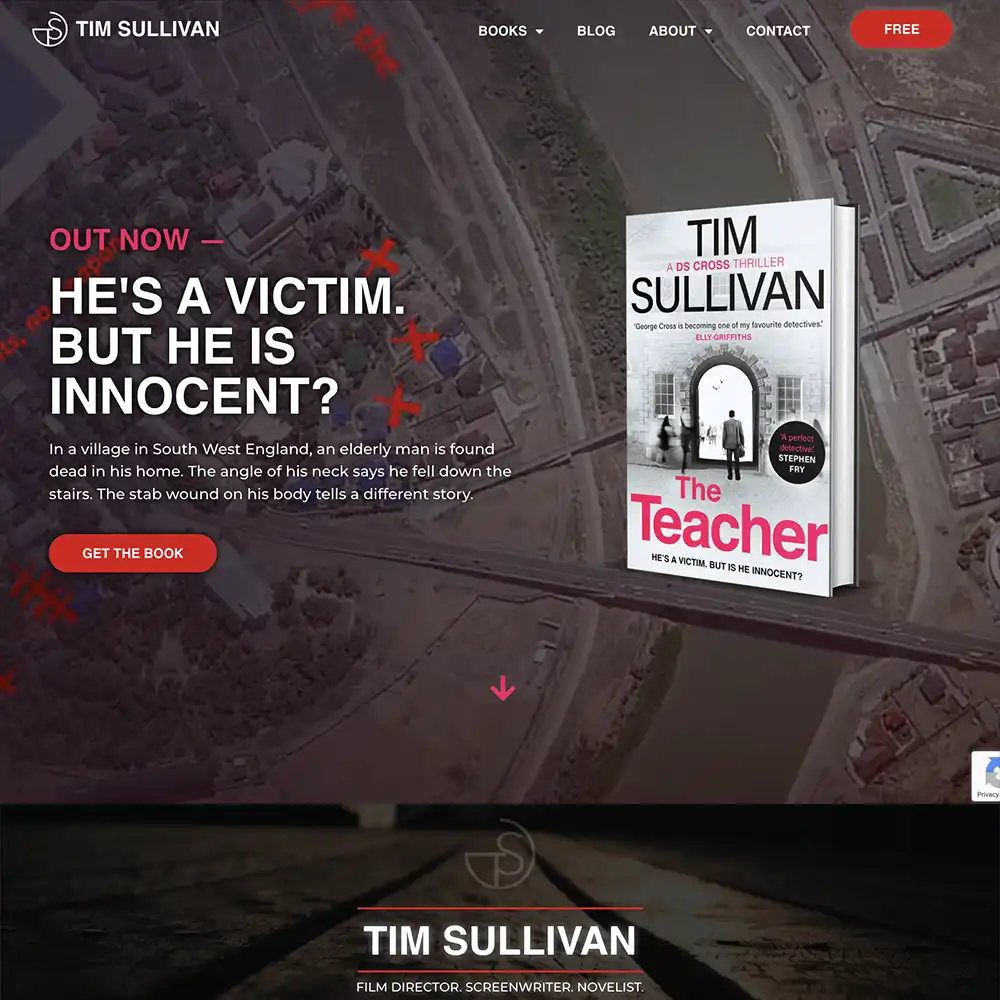
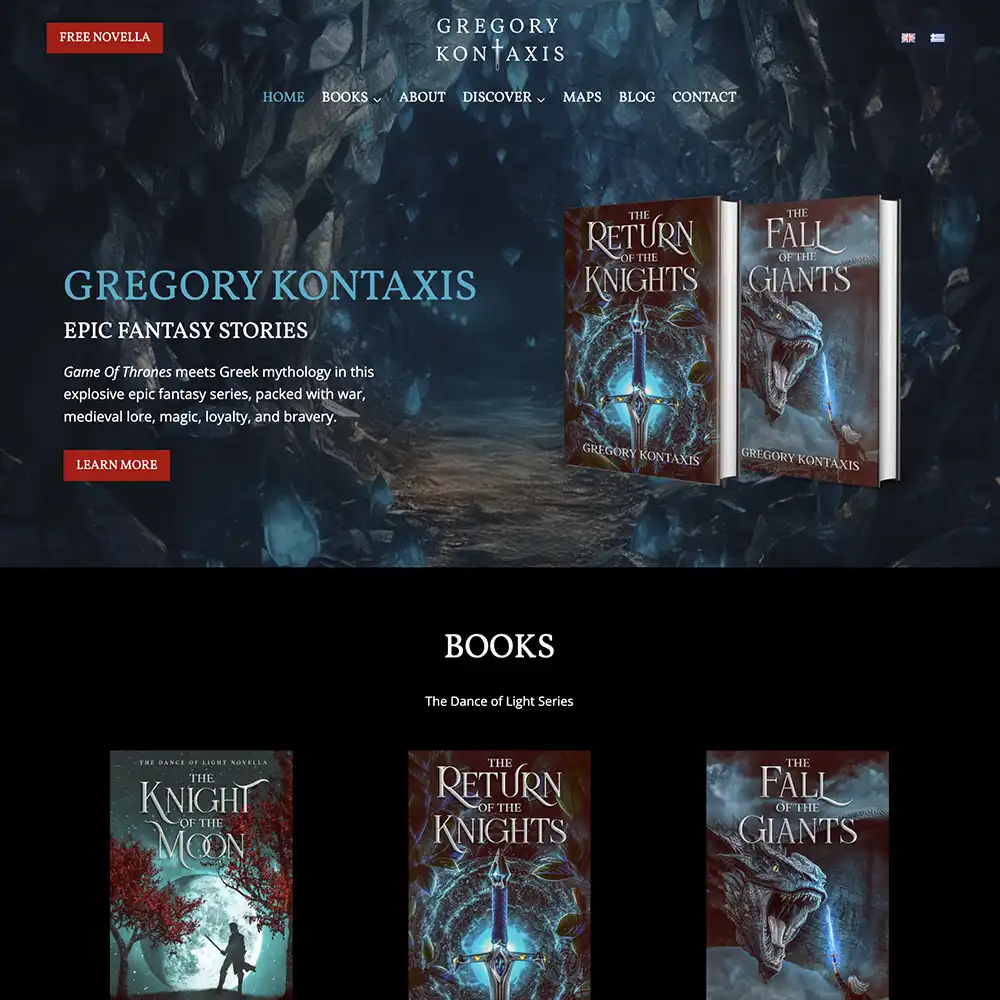
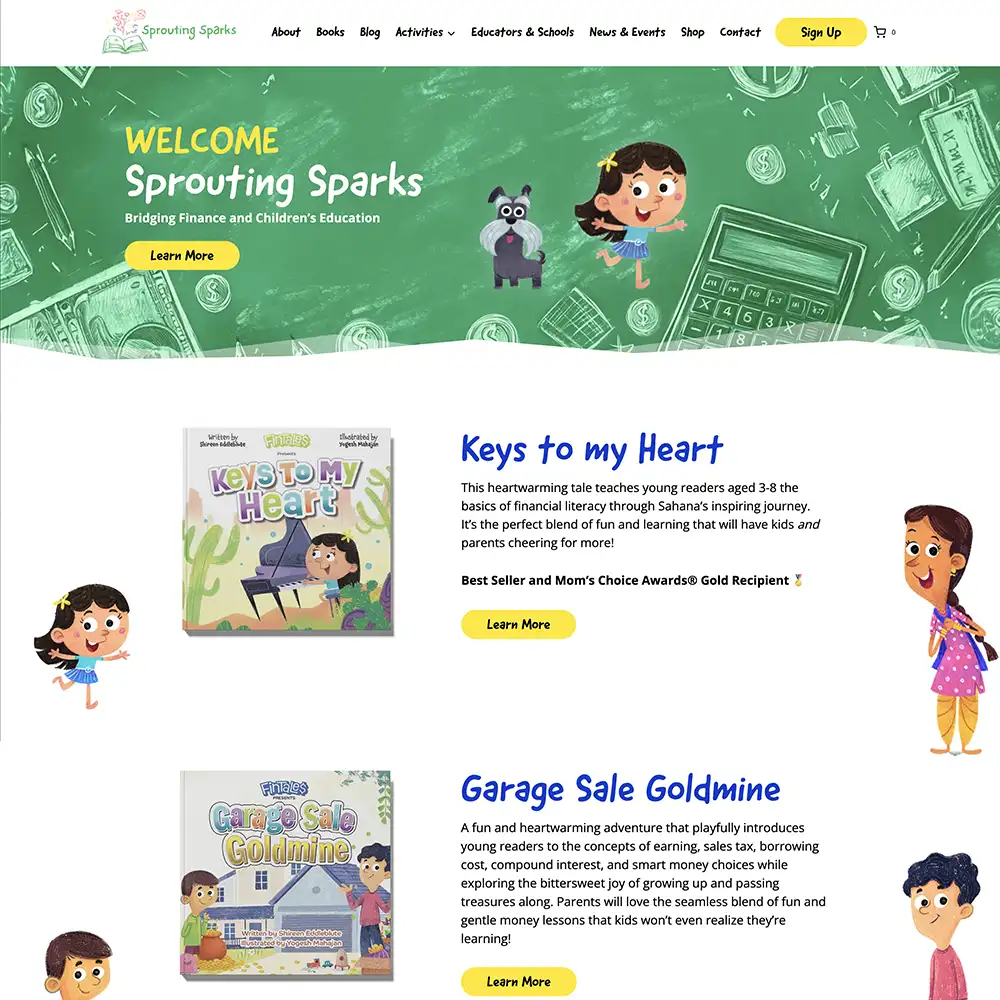
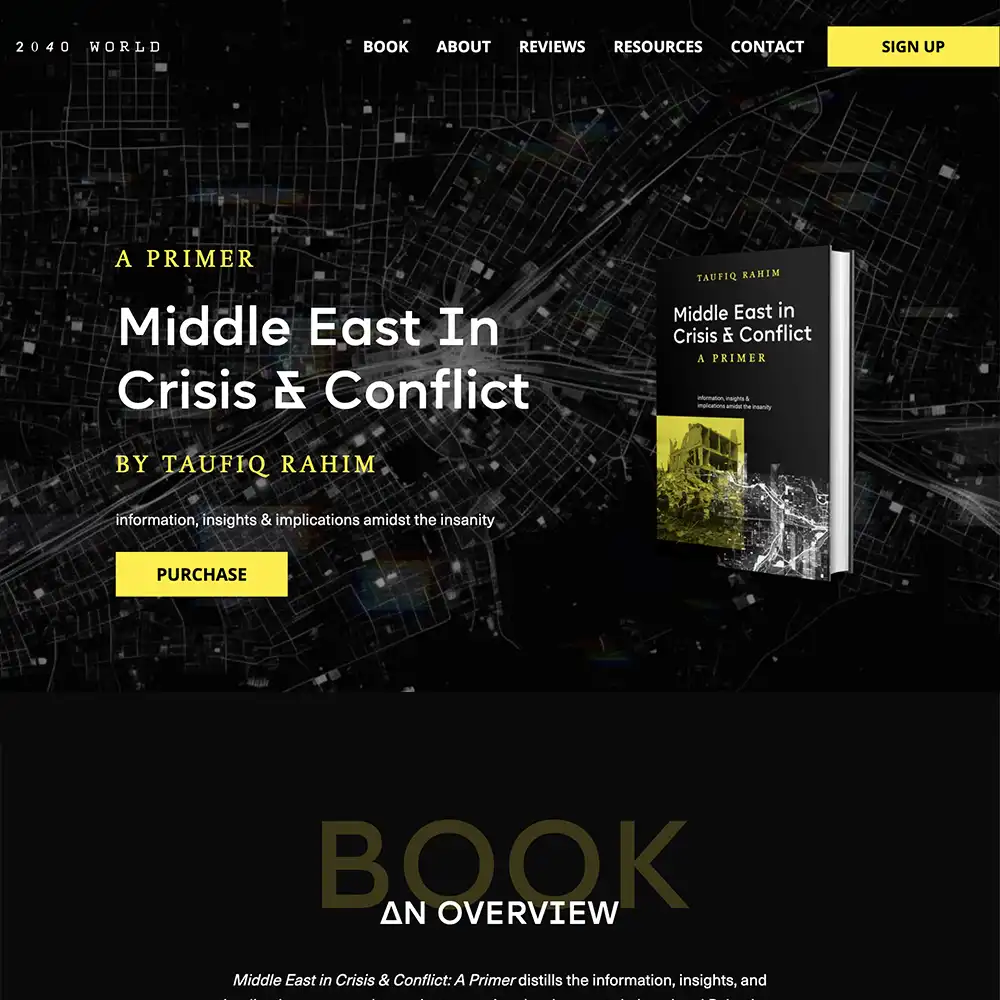
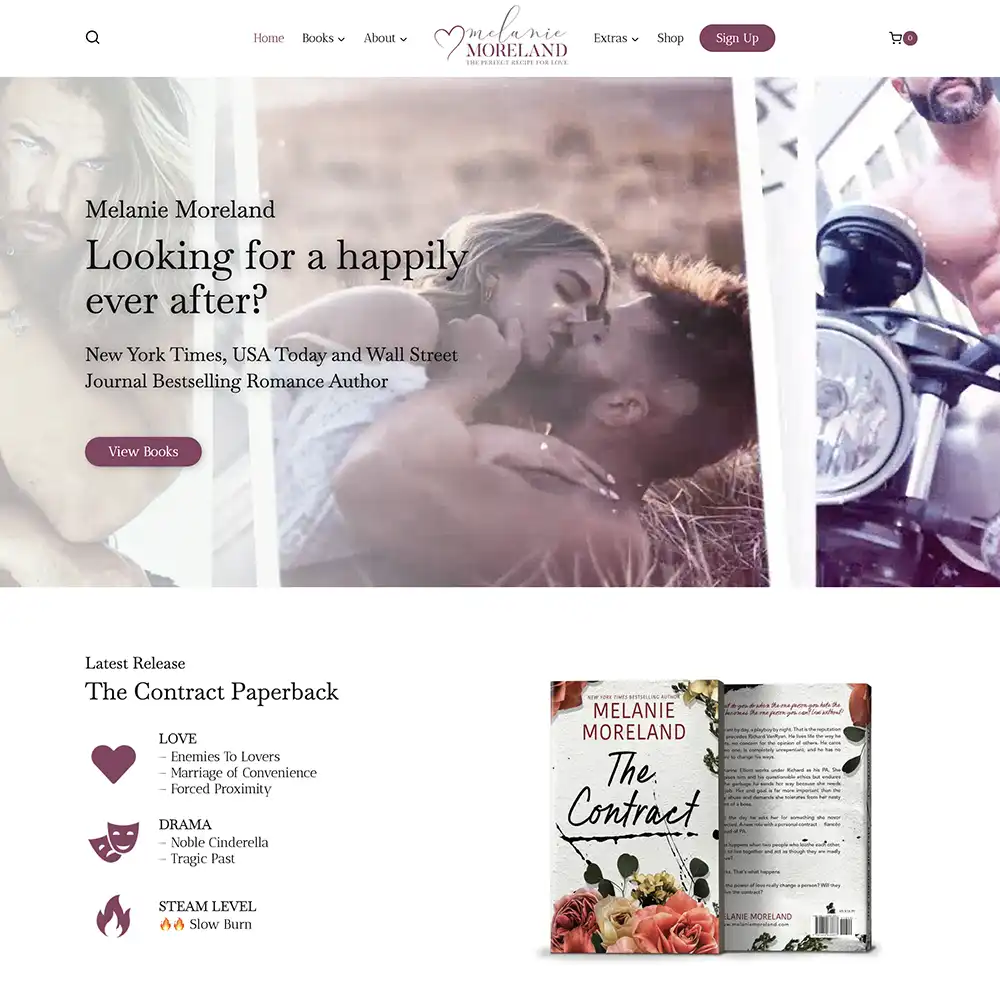
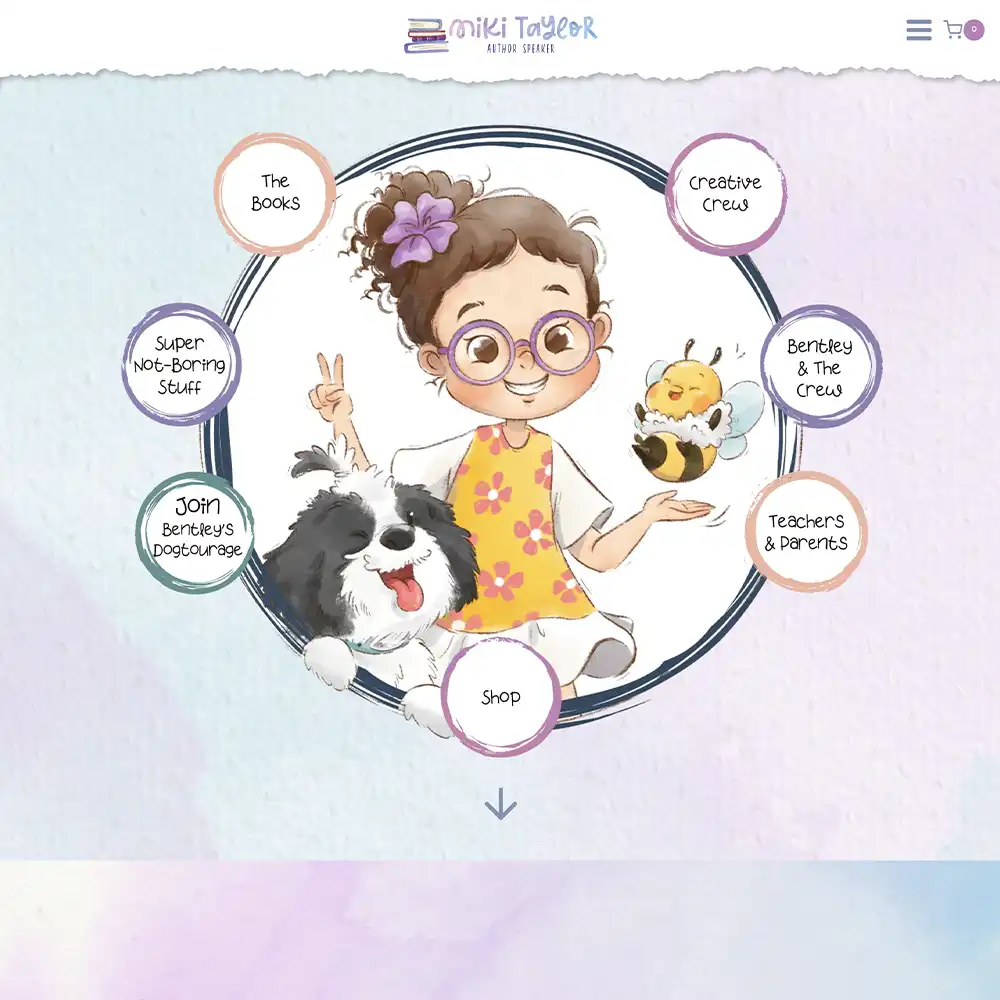
6. Author website
Every serious author has one – from debut authors to bestsellers.
With the uncertainties in algorithms and the need for personalized content, having an author website is a must. On your website, you decide on the style and atmosphere. And it’s open 24/7 for readers to discover!
You curate the experience and the content, so you control your narrative. Your website is a place to:
- Showcase your books.
- Promote new releases.
- Sell your book, or link to retailers that sell your book, for ease of discovery.
- Showcase your other work, like blogs, podcasts, services, behind-the-scenes content, maps, etc.
- Host your email sign-up form and build a list of readers who are keen to stay in touch with you.
- Boost yourself online by driving traffic using SEO for your blogs.
Top Tip 5: Start posting blogs targeting keywords that your readers search for to build your brand and author platform before your book release to create hype.

7. Metadata
This sounds like a scary word, we know. But it’s really about getting your book’s DNA sorted out. Here’s your checklist:
| Metadata | Description |
| 1. Book title | Picking a title isn’t about aesthetics, it’s about being genre and keyword-aware so that you appeal to the right reader. When a reader scrolls past your book title on Amazon, will it intrigue them? More on this below! |
| 2. Book subtitle | It can list the tropes and genre (for example, Addictive Urban Fantasy Saga) to be easily discoverable on Amazon. Or you can use it to clarify the reader’s benefit for non-fiction books (for example, The Ultimate Approach To Living A Fuller Life). |
| 3. Series title | You could also put your series title in the subtitle section to help readers navigate your series. |
| 4. Author/Pen name | Some names fit better in certain genres and themes, and you can create a pen name for that reason, or to hide your identity if you so choose!For example, Karin Slaughter is a great name for a thriller author. |
| 5. Blurb | Look out for the layout and font of your description on Amazon and the back of your book to make sure it flows well. |
| 6. Keywords | Keywords are vital to being found online. When publishing your book, select 7-10 keywords on Amazon for you to list your book under. |
| 7. Categories | Understanding your sub-genres and themes will help retailers – and you – classify your book. Pick what’s marketable and accurate to find readers easily. |
| 8. Book format | If you want a professional-looking book, whether it’s paperback or ebook, you need to put some care into formatting it. Take a look at what other authors do in your genre in terms of page count, dimensions, etc. (and don’t forget about your ISBN) |
| 9. Pricing | Consider your budget, the size of your book, promotions, and distribution to decide on your price. We go into more detail below. |
Picking a book title that attracts readers
You may have thought of the coolest book title you could’ve possibly imagined. You’re chuffed at your brilliance…except readers don’t really get it.
A book title doesn’t need to be ‘cool,’ it needs to be obvious (while being a little cool). You can add words from your book to make sure it fits your story, but don’t fall into the trap of using a word that a reader wouldn’t immediately associate with a genre.
You want the reader to see the title and immediately go, “Oh, that’s right up my alley!”
For example, check out these fantasy titles that are clear and impactful:
- Lord of the Rings
- Shadow and Bone
- Game of Thrones (A Song of Fire and Ice)
If you’re stuck, have a look at what’s out there in your genre, and don’t just look at the classics. See what books are like right now and mimic the style to fit your own.
Now, with that overview done, you’re ready to move on to the next phase.
2. Understanding The Basics of Distribution
Whether you’re going ebook only or printing physical copies, you need to understand distribution to find the best ways to sell your book.
Set pricing
There’s a bit of a balance to setting a price. You want to be competitive while accommodating your budget.
If you try to low-ball with a price lower than competitors, readers might think, “Is that book cheaper because it’s not as good as the others?”
Or if you want to increase the price to take into account the expenses of making the book, readers may pass on your book, thinking, “Well, the other book is cheaper, so I’ll just get that.”
How do you set a price that makes your book easier to sell? Follow these tips:
- Check out the prices of your competition to see what’s commonplace.
- Consider your target audience (are they kids with an allowance, or business executives with cash to spare).
- Take your book’s format and length – how much does it cost to print?
- Use your brand and reputation to price higher if you know your audience will pay the premium price.
- Look at the production costs, such as all the people you hire for book cover design, editing, help with formatting, etc.
- Plan out your marketing strategies and calculate the costs into the pricing.
Top Tip 6: You can use discounts and promotions on launch day to encourage more sales – nothing like a little urgency to get some books sold!
Where do you want to sell?
Where you sell your self-published book online is a personal preference and will impact your strategies to get sales.
But the basic principle is: where your audience is most likely to be is where you should be selling it! Surf the forums and see what your readers use.
But here’s a quick look at the places you could publish your book:
Amazon
You can use Kindle Direct Publishing (or KDP) to publish your ebook for free and retain the rights to your book. And Amazon’s program gives you 35%-70% royalties.
For physical books, you can use CreateSpace for Amazon’s print-on-demand (POD) services and sell your paperbacks directly through Amazon. But warning! Other booksellers will not buy from Amazon to stock your book, so find another printing method for those copies.
Top Tip 7: You can use KDP Select to get your book into Kindle Unlimited (KU) if your readers use KU more often – and get higher royalties! Though you won’t be able to sell your ebook on other platforms for 90 days.
But… why is Amazon so popular for book selling? Well, everyone uses Amazon! Some readers even use it as a search engine to find new books. Plus, you get a dedicated product page that you can edit with Author Central and make your book look even more appealing.
We have a blog that’ll help you with publishing on Amazon, so check it out: Ultimate Guide on How to Publish Your Book on Amazon.
Barnes & Nobles
This is the largest bookstore chain in the USA. And you can distribute your book to it, even as a self-published author.
You can publish your physical book or ebook directly on Barnes & Noble, with your ebooks becoming available on Nook devices and apps. Also note that print books can be listed online, but you need proof of sales and a separate application to be considered for their physical stores.
Barnes & Noble offers you the ability to set discounts and place your book in certain categories for discoverability.
Apple
Although there’s no print option, Apple Books is a great way to sell your books if you’re targeting people who read books on their Macs, iPhones, and iPads.
You’ll need an Apple ID to publish directly, or you can go through another distributor like Draft2Digital.
Apple accepts various ebook formats, as well as the ability to set your prices and promotions.
Similarly to Apple Books, you can publish your book on Google, as this platform is popular in some regions and with certain readers who read on Android only.
Your book will be listed on the Google Play Store with the ability to provide samples on Google Books, just like with Amazon, except these samples show up on a regular search page, boosting your exposure.
Your own site
Another way to sell books is on your website! You can create a shop page, and your readers can buy directly from you! Selling on your website allows you to:
- Customize the reader’s purchasing journey.
- Collect buyer data and connect with your readers because you can ask for email addresses and other information.
- Offer more alongside your books, like merchandise, signed copies, bundles, etc.
- Solidify your brand by guiding the reader’s experience in your shop.
It might be a bit of effort to set up, but you’ll have a higher profit margin and quicker access to that profit, too.
Print-on-demand
Print-on-demand (POD) is a popular method with self-published authors to print their books. POD is when your book is created and shipped as orders come in, instead of having a large backlog of books pre-printed.
This helps authors avoid the high cost of printing books all at once and having to pay for the storage of these books.
A trusted printing partner on the scene is IngramSparks. Many use Ingram for POD services since many bookstores purchase wholesale books.
On top of that, Ingram has a network of retailers and libraries for self-published authors to distribute their books. You can use this network to your advantage!
3. How to Get Your Book in Stores
Many authors believe that to truly be considered a published author, they need to be in bookstores. When figuring out how to sell a book, having your book in the local bookstore was probably part of your plan.
That’s where you envisioned your book – sat on a bookshelf in the front, begging to be bought. While it might not be as profitable a venture since very few authors actually get their books in stores (let alone the front display), it is still possible.
Here are some conditions to be met to make it possible:
- Your book needs to fit the independent store’s target readers.
- Your book must be priced in line with the competition.
- Your book needs to be of high quality in terms of formatting, editing, design, etc.
- Your book needs to be purchasable through a distributor.
- The distributor needs to have a return policy of 90 days (independent book stores need the ability to return books that haven’t sold).
- The distributor allows for a 55% wholesale discount – it’s the status quo with independent bookstores.
- Any accolades, proof of sales, and press will be beneficial in giving the bookstore confidence that your book will sell.
Top Tip 8: Your distributor cannot be Amazon. They don’t offer return policies or any wholesale discounts. And, they’re basically the bookstores’ competition!
How to sell your book to independent bookstores
All of the above can be in place, but that doesn’t mean an independent bookstore will welcome your book with open arms.
Below are the best ways to sell books to a bookstore:
Know your book inside and out
You can’t sell your book to a bookstore, let alone a reader, if you haven’t refined your elevator pitch. It’s easy to say, “Your readers will love this type of book!”
It’s more important to say why they’ll love it so that the bookstore will be confident that your book suits their readers.
Practice explaining the story of your book while using the keywords that your readers would be on the lookout for.
Support the bookstore
If you buy from the bookstore and have a relationship with the people who work there, they’ll be more likely to give your book a shot – they can see that you care about that community of readers!
But even then, getting your book on their shelves isn’t guaranteed.
To show you understand what they’re all about, research the type of events they have, the readers that engage with them, etc., and use it to pitch your book to the owner.
Understanding its community and how your book can impact it will be a strong selling point.
Have a marketing plan
The bookstore won’t market your book for you. If you don’t have a plan to promote it, they’ll turn you away.
Make sure to plan out a marketing strategy and share this in your book pitch. It will prove to the bookstore that there will be buzz around your book, and it won’t gather dust on their bookshelves!
Make a Bookshop.org page
Bookshop.org donates profits to independent bookstores of the author’s choosing. By having your books sold through them, you show your support for the community!
It also benefits you since you can use your author page to gather emails for your newsletter and locate which areas you can target with promotions.
How to Boost Book Sales
If you want to make money by selling books, you need to put a significant amount of effort into running promotions. You need to attract readers consistently to maintain a high ranking on your book-selling platforms.
Boost your sales in these ways:
- Spread the word: Post on social media as much as sanely possible, because the more people see your book on their timelines (and the more times they see it), the more likely they are to buy it.
- Discounts: You may think that discounts are just a way of cutting your profits, but it’s a great tool to gain momentum and find new readers. Discounts and sales create a sense of urgency, encouraging readers who were on the fence to click ‘add to cart’ – and it’s a great way to get a few more reviews.
- Giveaways: This is the same principle as discounts! It creates hype around your book for the period of the competition, and whoever wins might buy more books from you down the line!
- Email list: This is a list of readers who you can nurture all year round and prime with cover reveals, art competitions, and sample chapters to keep the buzz around your books ongoing.
- Ads for authors: Amazon and Facebook ads target where most readers are – online! Ads put your book in front of readers who may not have otherwise seen your book, increasing your visibility.
- Events: Have book signings, speaking events, attend conferences and fairs where your audience is most likely to be, to reach out to those communities of readers and gain exposure.
- Waves of promotion: Once your book is released into the wild, the work doesn’t stop! Have a cycle of promotions every 90 days or so to push traffic through the methods above and keep your book ranking.
The Simple Fact Behind Selling a Book
We hope this beginner-friendly guide to selling your book was helpful. But beware, the journey of book publishing will look different for each author, and the only way to learn is by going through the process.
However, publishing your book and launching doesn’t mean your work is done. It’s actually just begun!
The best way to sell your book is by figuring out how to keep the buzz going. One of the best ways is to write more books or even a series to give readers a starting point.
The other method is to consistently promote yourself and your work, day and night, 365 days a year.
We’re not kidding. Not only is it doable, it can be easy once the technical stuff is dealt with. When you have an author website, you have a tool to promote your books and other works relentlessly.
It’s a hub for your readers.
But creating one can be more than a hassle, but that’s what we’re here for. We’ve designed websites for authors of all walks of life and genres, so we know exactly what is needed to make an author website stand out and attract readers like bees to honey.
Fill in this inquiry form, and we’ll help you get started on your book-selling journey.