I recently sat down in a webinar with Rachel Aaron. She’s sold over a million books across fantasy, sci-fi, and romance, and she’s also the author of 2k to 10k, How To Write Faster, Write Better, and Write More of What You Love.
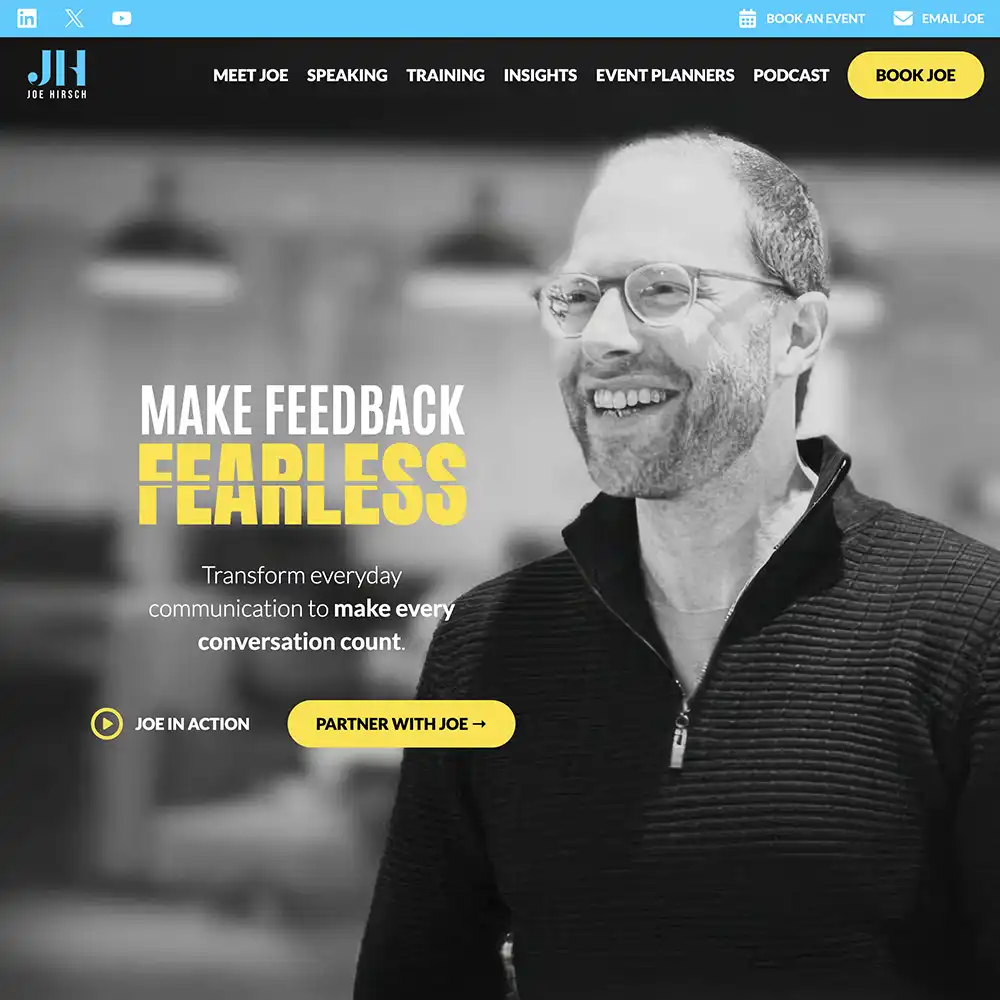
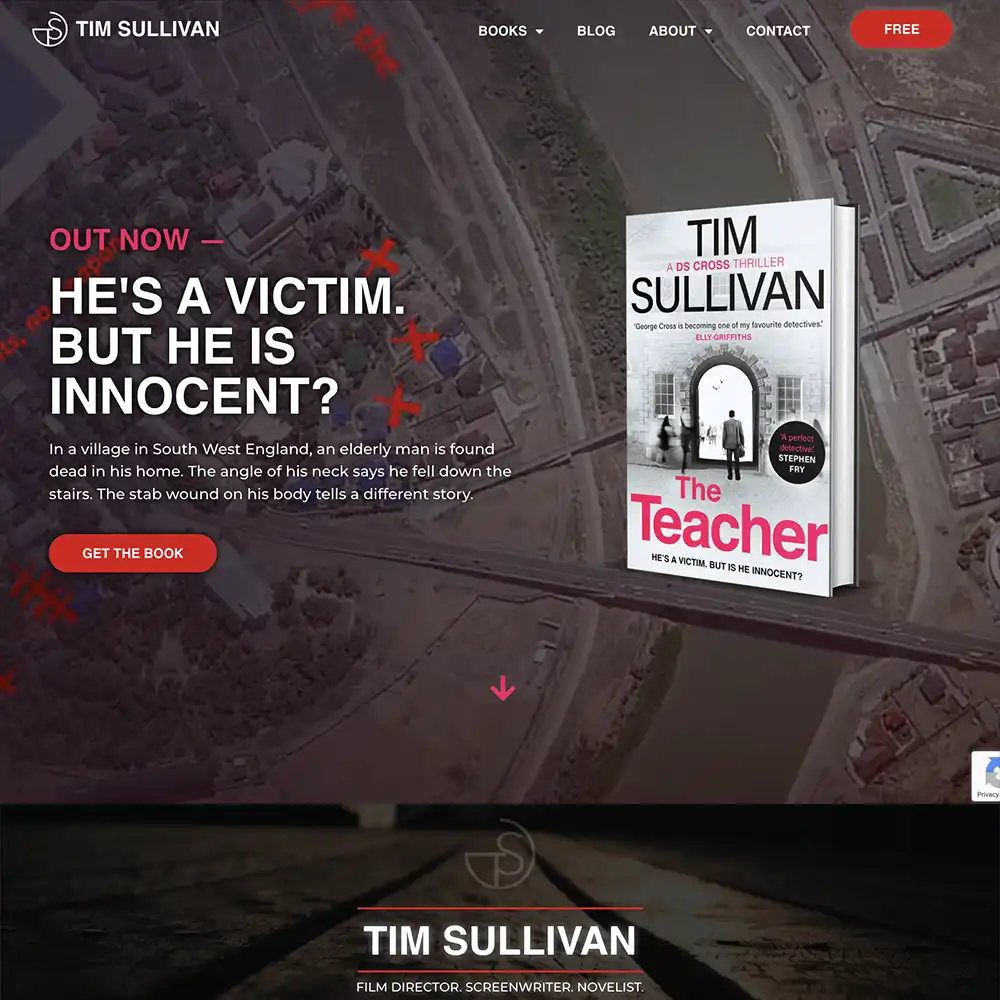
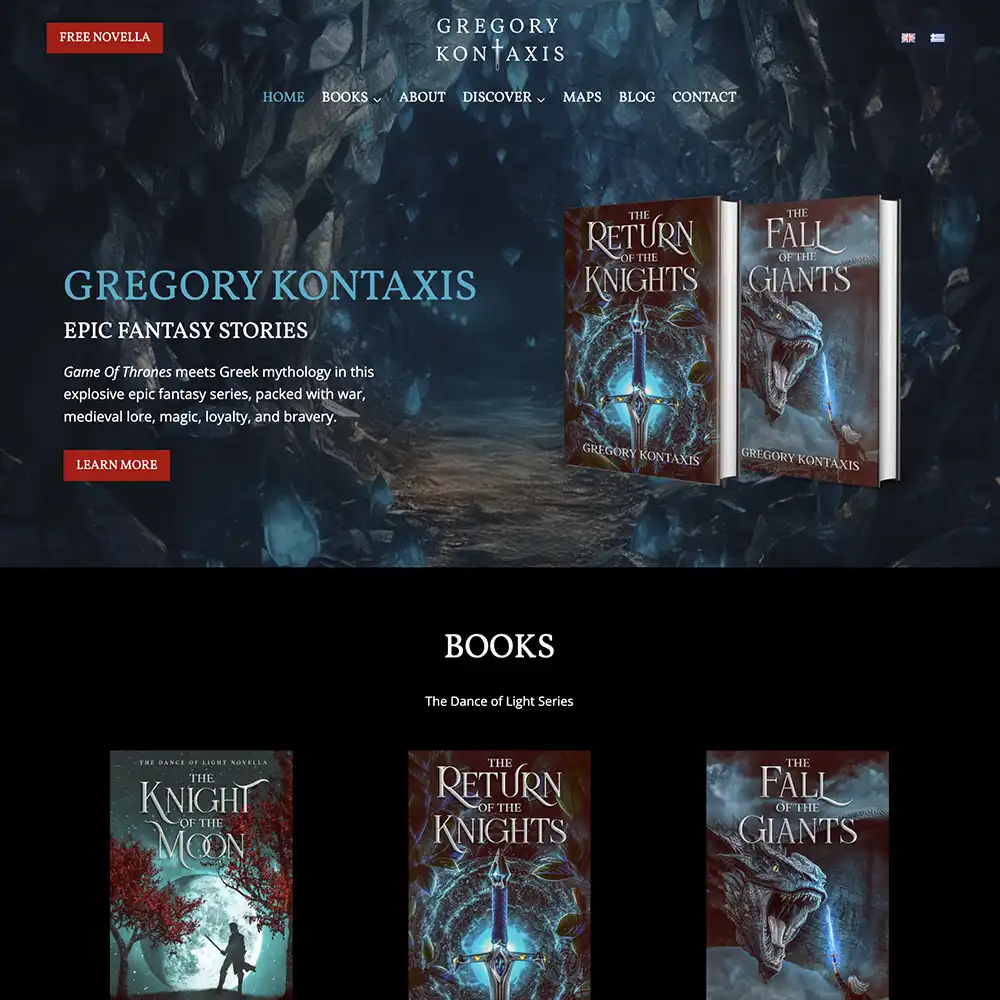
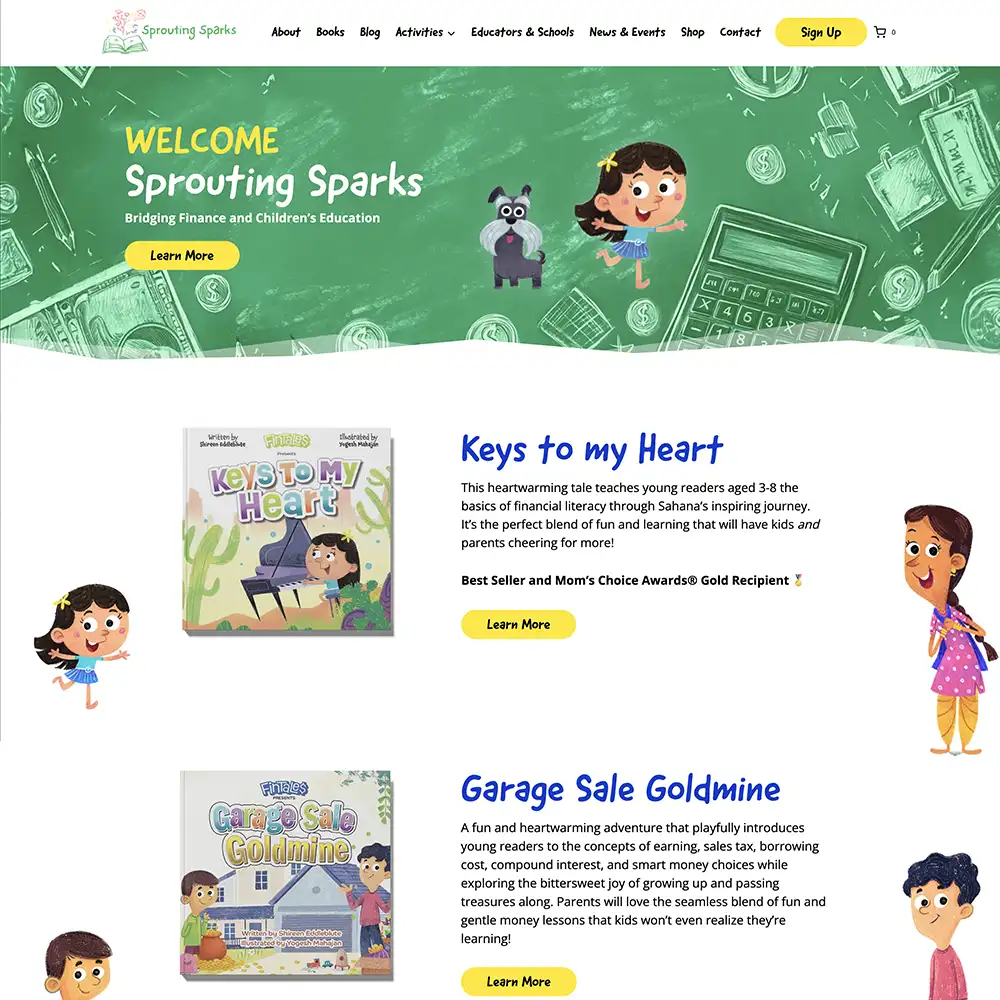
On my side, I run Rocket Expansion. We design author websites and run book advertising. We’ve worked with multi-million selling authors, helped sell millions of books, and built over 150 author websites, including for USA Today and New York Times bestselling authors.
This conversation came out of what we do every day. Talking shop. Talking book marketing, writing, publishing, what actually works, what doesn’t.
Based on our combined multi-million book selling experience, I wrote this post to help you understand how book marketing really works.
The Hard Truth About Book Marketing
Let me say this upfront, because it’s something you may struggle to hear.
Most authors don’t have a marketing problem, at least not when it comes to advertising and promotion.
They have a book problem.
And I don’t mean that in a harsh way. I mean it in the most practical, fixable, actually useful way possible. Because you can spend years thinking you’re “bad at marketing” when really… you’re simply trying to sell a product your audience doesn’t understand or in a way that doesn’t interest them in it.
Why Isn’t My Book Selling?
Is probably the number one question I get from newer authors who’ve tried to move copies.
Not just in comments or emails, but in conversations with authors who are doing everything “right.”
They’ve got:
- A website
- Ads running
- Social media
- Launch strategies
- Email list growth and marketing
And still… their precious book baby, just isn’t taking off.

So in my recent webinar with Rachel, that’s where we started, with the uncomfortable question:
“What if it’s not the marketing?”
The Thing Nobody Wants To Say Out Loud
I said this in the webinar, and I’ll say it again here:
“One thing I constantly hit upon… the quality of the book itself just isn’t good enough… and something that too often gets missed is this: Your book is your marketing.”
But becoming a master of the written word, and learning how to write for a specific market is hard! And so newer authors often conveniently skip it.
They treat marketing like it sits after the book.
Write the book, and now market it.
But that’s not how this works if you want howling success in your author career.
Marketing starts with the book, and as you’ll see in a moment, ends with the book as well.
Nothing Markets Better Than Readers
When people talk about book marketing, they all-too-often jump straight to tactics like ads, algorithms, and social platforms.
But the real engine looks like a lot more like this:
“Nothing markets better than word of mouth… reviewers… book nerds on TikTok and YouTube… regular readers looking for a good time, sharing the book with others.”
My agency, Rocket Expansion, works with some of the top consistently selling authors on Amazon and even though we spend an obscene amount on book advertising, we still come back to one thing:
“The purpose of our ads is to boost visibility enough so that enough readers and reviewers will find it, read it, love it, and do the real marketing and promotion for us.”
If readers aren’t talking about your book, no amount of paid traffic is going to fix that long term.
You can force visibility.
You cannot force enthusiasm, and you cannot force great word of mouth. And advertising alone will always be too expensive if word of mouth doesn’t follow.
“But I’ve Seen Bad Books Sell…”
Yeah. You have.
We all have.
Because we look at a book or series that’s “not amazing”, yet still selling like hot cakes, and we think:
“Okay, so it must just be their marketing.”
But what becomes obvious when we go a little deeper is that this book is still very much doing something right.
It’s somehow hitting:
- The right audience
- With the right expectations
- In the right genre
- With the right signals
Even if the prose isn’t perfect. Sometimes, even when the prose is really not great.
Rachel describes this perfectly in our webinar:
“One of my favorite, paranormal romance series is Immortals After Dark, and those books constantly get one stars, and I kind of understand why. Because they do some dumb stuff, but they get what I came for so right, and so I don’t even care.”
“I don’t even care that it’s dumb things that I would hate in other novels. I forgive in Immortals After Dark, because Kresley Cole, the author, she knows her audience. She gives us what we want.”
See the difference here?
When a book lands like that, readers don’t waste time criticising the prose and picking apart the obvious plot holes. They just grab the next book and dive in deeper. And then they rave about it to their friends.
They may even say, “listen, it’s a little rough around the edges, but you gotta read this because… (insert wow-factor of the book). Trust me, just read it!”
Which brings me to the real issue.
It’s Not Just “Writing Quality”
When I say “book problem,” you may hear:
“My writing isn’t good enough.”
That’s not actually what I mean most of the time.
What I mean is:
- The book doesn’t match the audience it’s trying to reach
- The packaging doesn’t signal what the reader expects
- The story doesn’t deliver on the promise it’s making
Or as Rachel bluntly put it:
“One of the biggest reasons fantastic books flop is the author didn’t make the book for anyone.”
“Honestly, one of my biggest flops… Let me grab it. The Last Stand of Mary Good Crow. Look at this absolutely gorgeous cover.”
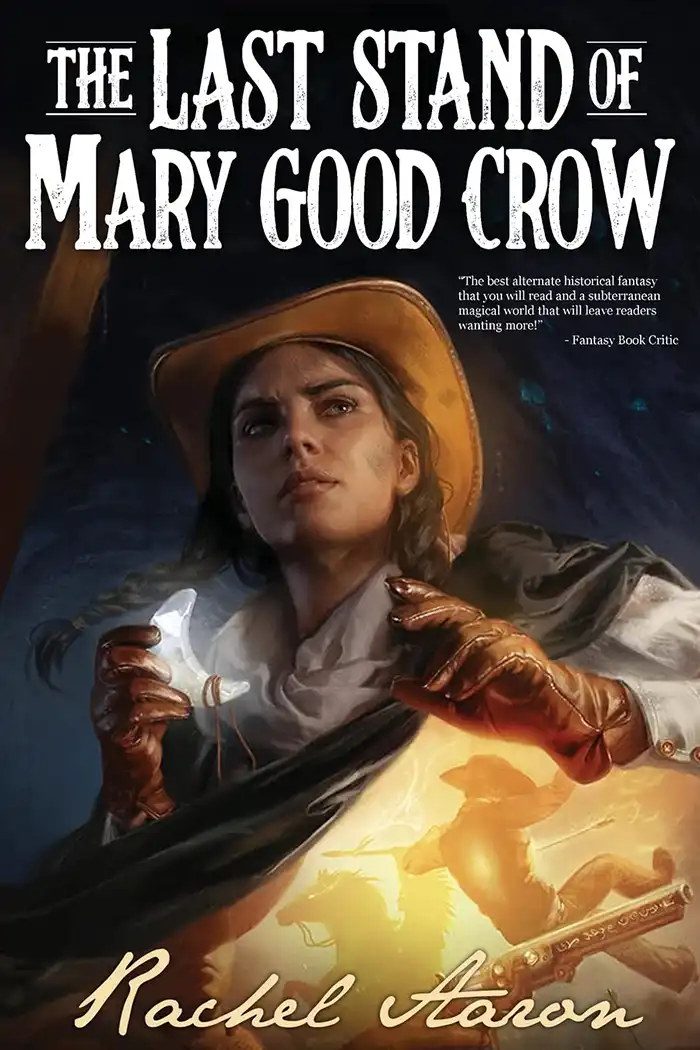
“We won seven awards for this cover and for the audio and everything. This book is one of one of my best written books.”
“And it flopped because the Western audience is mostly male. They were not interested in a story told from an urban fantasy perspective about, quite frankly, three teenage girls. And my YA audience wasn’t interested in an old Western, and my urban fantasy audience wasn’t interested in an urban fantasy where the urbanity was a gold rush town in 1830.”
“Basically, I had no audience. I wrote, and I didn’t target my audience properly. I wasn’t writing for Western fans. I wasn’t writing for urban fantasy fans.”
That’s the real problem.
Not bad writing.
Misalignment.
And this is where you might quietly get stuck as an author.
Because it’s very natural to write what you love.
But if what you love doesn’t clearly map to a specific reader, a specific genre, and a specific expectation… you end up with something that’s hard to position, hard to pitch, and ultimately hard to sell.
Book Packaging Is Your Marketing Foundation
Your marketing doesn’t start after the book. It’s built into the book itself.
“Everything has to tell a clear brand story of what you’re selling. You know, I like cookies and I like spaghetti. I don’t like spaghetti flavoured cookies, right? So you gotta really paint this very clear picture of what your book is and what the customer is getting out of it.”
What we call “book packaging” is made up of four parts that all have to align:
- Cover
- Title
- Blurb
- Opening pages
“The purpose of the cover. The purpose of the title. Every single one of those is a hook on your lure that you’re throwing out into the ocean of readers to try to hook the fish.”
When these elements are aligned, something powerful happens.
Each one reinforces the last.
The reader sees the cover and thinks, “yes.”
Reads the title, “yes.”
Reads the blurb, “yes.”
Starts the book… and keeps going.
Finishes the book, realises they got exactly what they came for, writes that sweet gushing review, and raves about it to their friends.
That’s what real marketing looks like.
Not trying to convince a reader to buy a book they’re unsure about.
But rather guiding the right reader smoothly, step by step, each step in perfect alignment with the last, into exactly what they were already hoping to find.
Summary: How To Actually Fix The Book Marketing Problem
If you strip everything down, it comes back to this:
- Your book is your marketing
- Alignment beats effort every time
- The right readers don’t need convincing
- Word of mouth is what makes scaling possible
Fix those… and everything else gets easier.
Next Steps: What To Do Based On Where You’re At
If you’re earlier in the journey, and you’re still figuring out your positioning, your genre, your packaging, and how all of this fits together…
That’s exactly what Authorversity Zero to Pro Fiction is designed to solve.
It’ll help you get this foundation right, so you’re not trying to market something that isn’t ready yet.
And if you’re already at the stage where your book is working, your audience is responding, and you’re ready to scale…
That’s where we come in at Rocket Expansion.
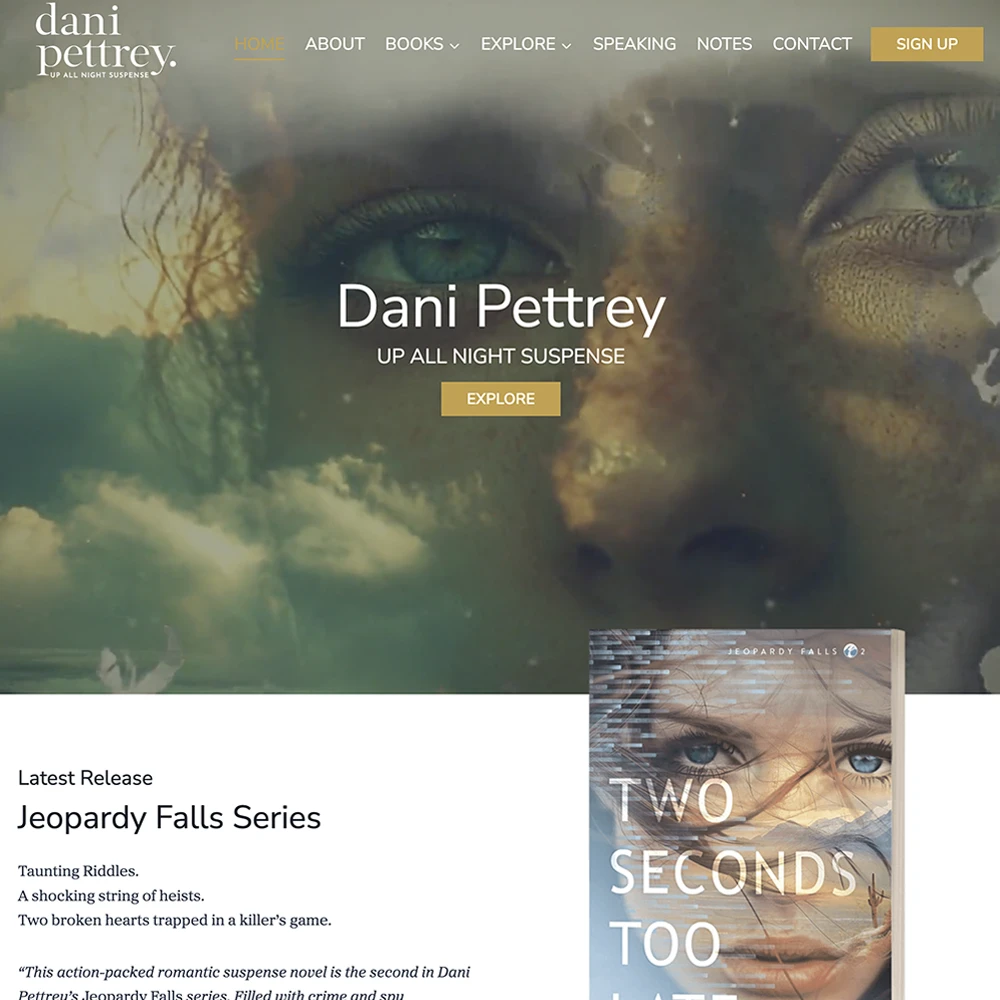
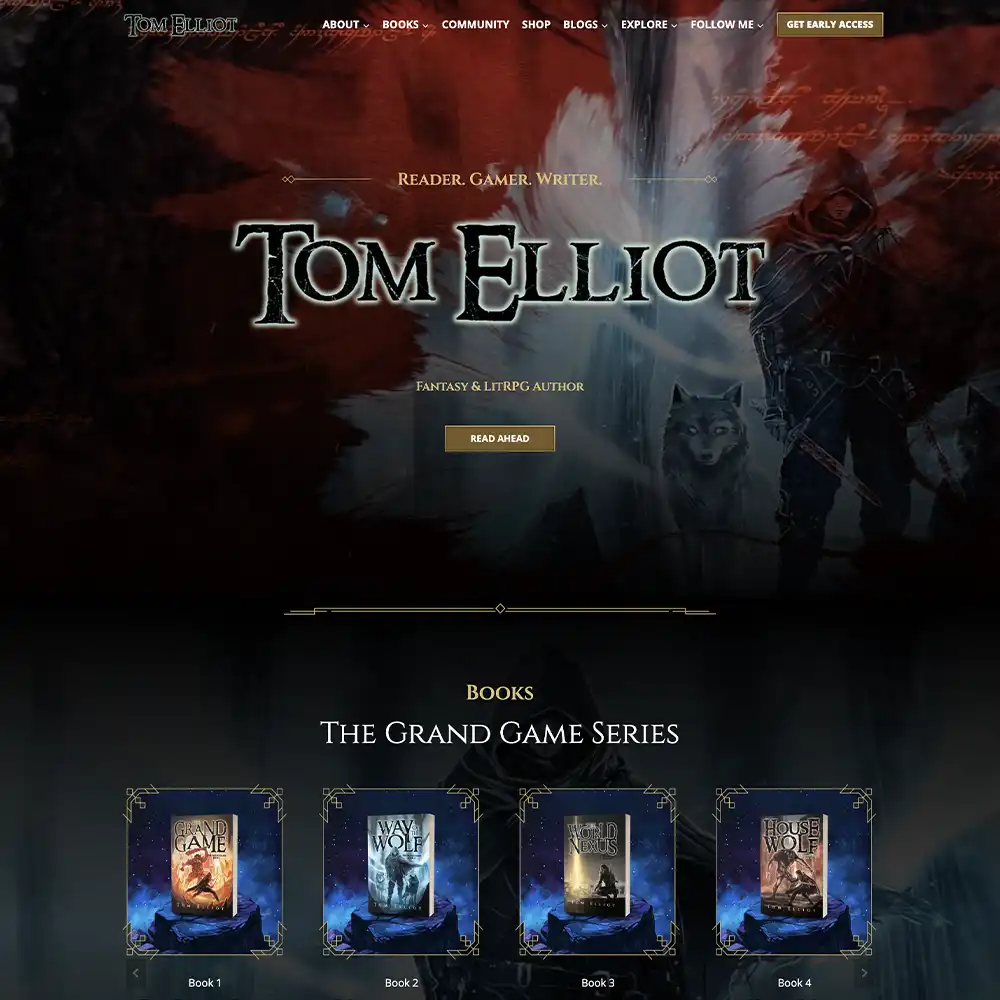
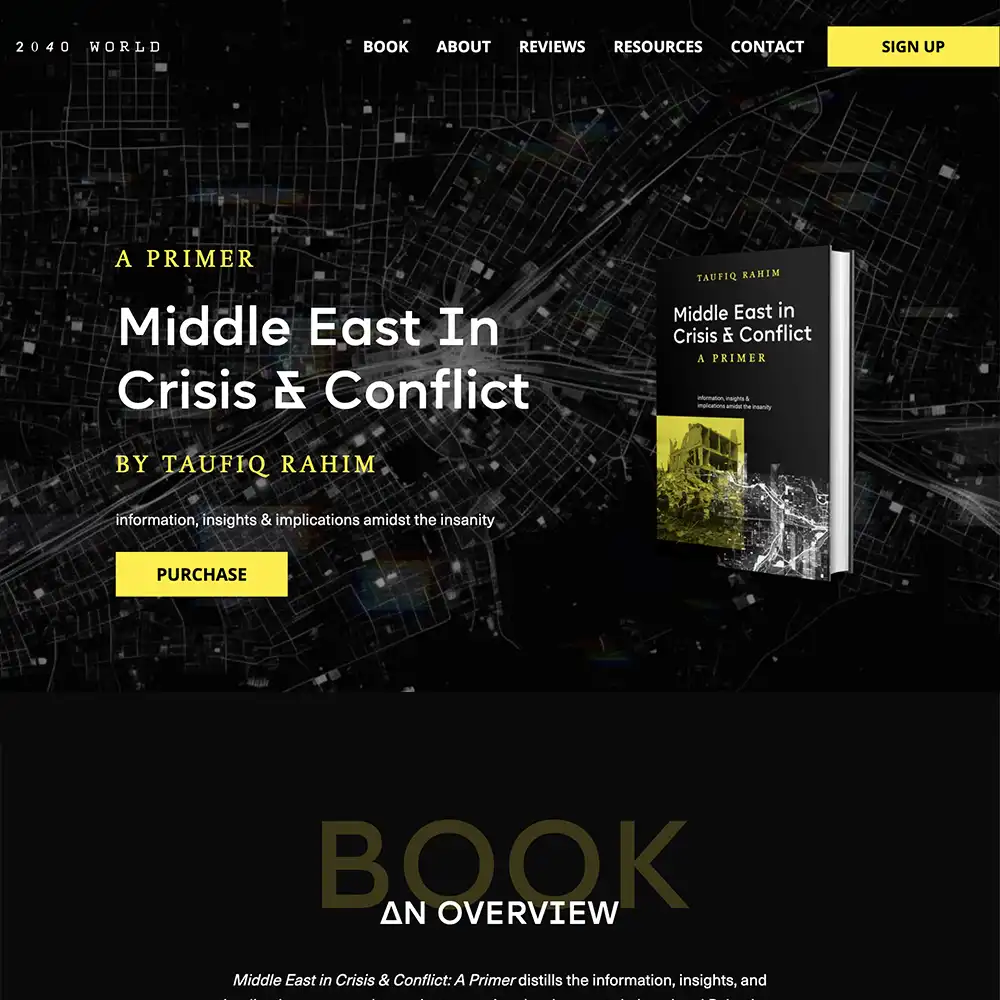
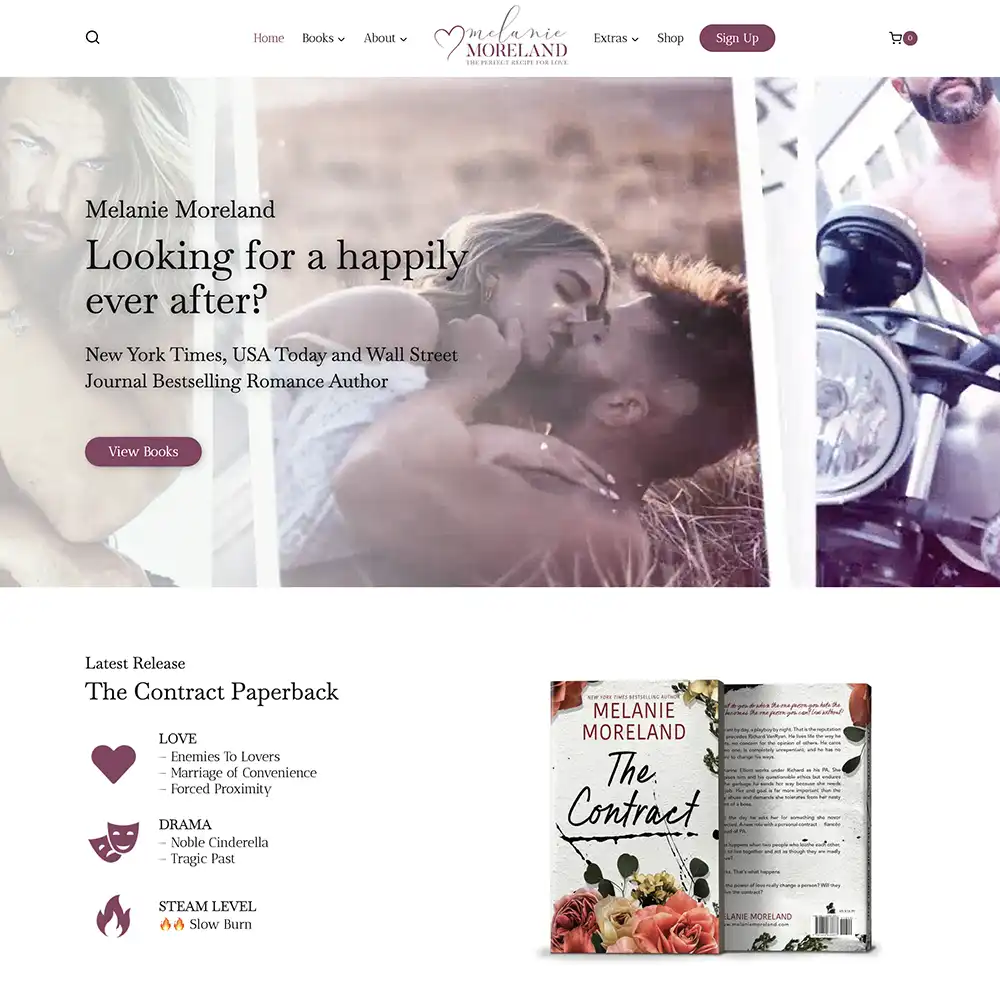
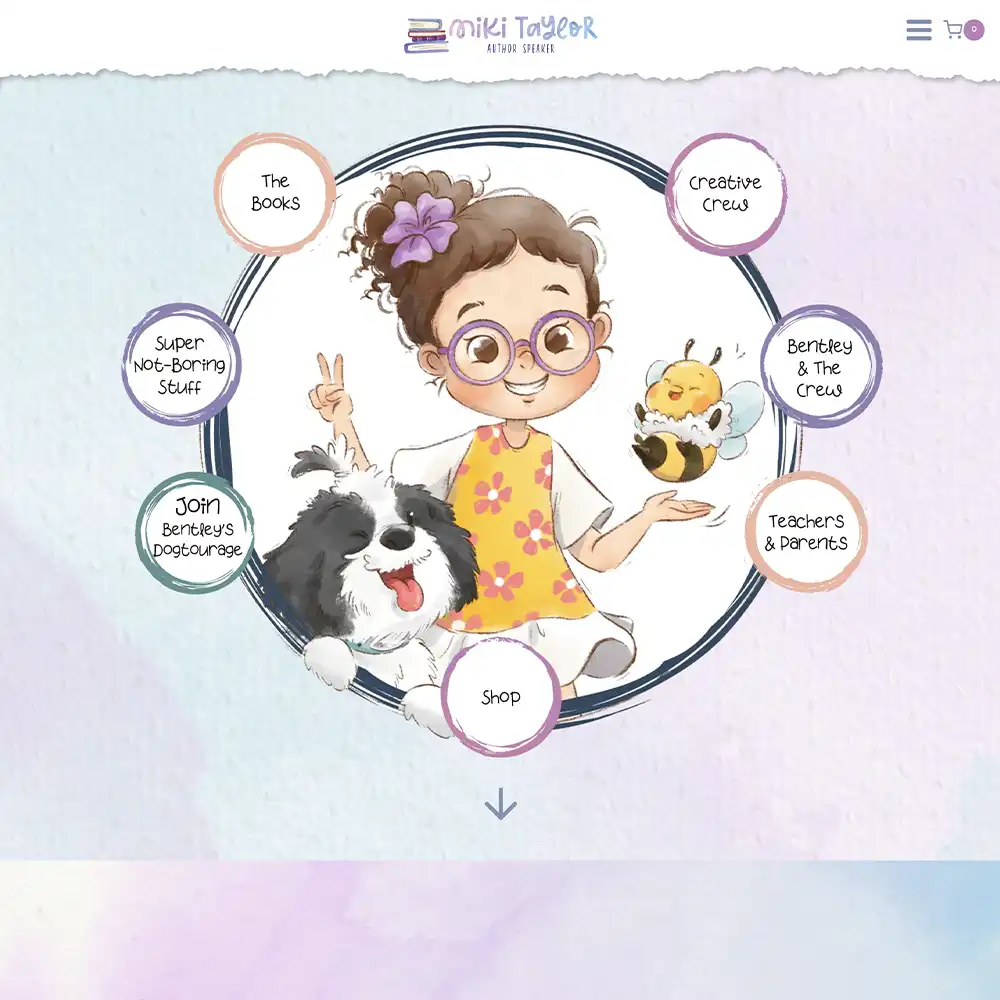
We build high-converting author websites, and run Facebook ads that scale what’s already working.
Final Takeaway: What All Of This Is Really About
I’ll leave you again with this, because it captures the real purpose of all good marketing:
“Nothing markets better than word of mouth… reviewers… book nerds on TikTok and YouTube… regular readers looking for a good time, sharing the book with others.”
That’s the game.
If readers aren’t talking about your book, nothing else matters.