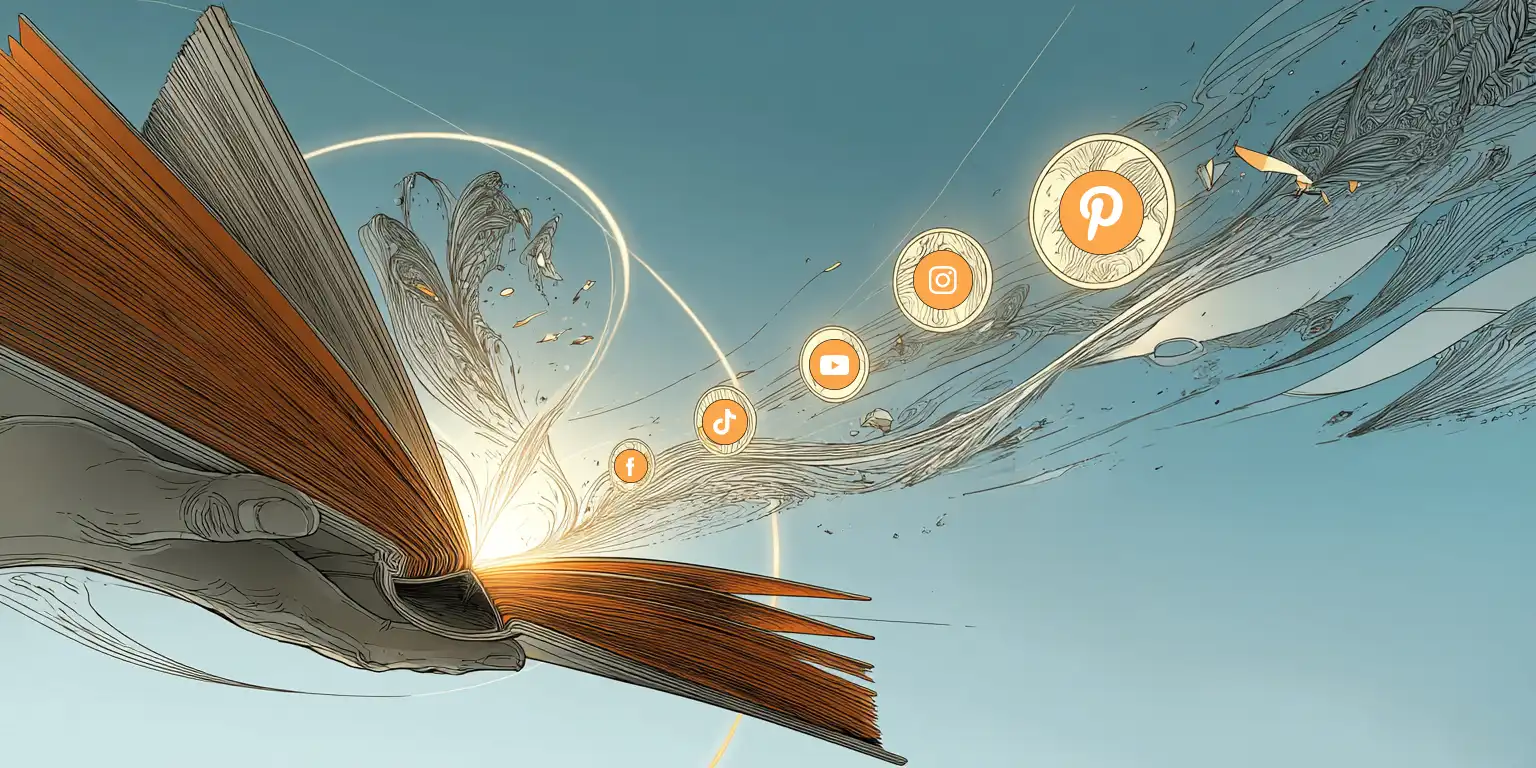
To successfully market to your readers, you need to go digital.
The digital world is booming like never before. Everyone is online – your target reader included.
Readers are scrolling on their phones and finding books they want to try, sharing their faves of the year to friends and family, and some even rave about them on their platforms.
Your book could be on the brink of a breakthrough and may need that extra digital marketing push to get there.
Or you need to establish your presence to give one of your next books the opportunity to launch into the bookosphere.
We’ve compiled the top 17 Digital Marketing Tips for books to jump-start your online presence and make it easy for readers to find you.
Let’s get into it.
Tip 1: Update Your Author Website (ASAP)
If you haven’t updated your website in years, it likely looks prehistoric with the way technology has progressed.
A dusty, dysfunctional website is not going to do you any favors. Using it would be like wearing an old, unwashed suit to your big first book reading.
Readers spend very little time on your site (about 45 seconds). You don’t want to lose them because your site is not updated or user-friendly.
Tip 2: Make Your Author Website Mobile-Friendly
The use of mobile devices will only increase in the coming years. Therefore, it’s very important that your author website be mobile-optimized.
It will make the user experience easy and convenient for readers. Time flies when you’re having fun, and that’s what you want for your readers.
An optimized website will also help with Google’s “Core Web Vitals”, so you can measure speed, visual stability, and responsiveness.
Paying attention to these measurements will help your search rankings on Google as a result.
Remember, you want to be accessible to your readers on all devices.
Most readers will find you on mobile devices in so let’s make sure they enjoy the experience.
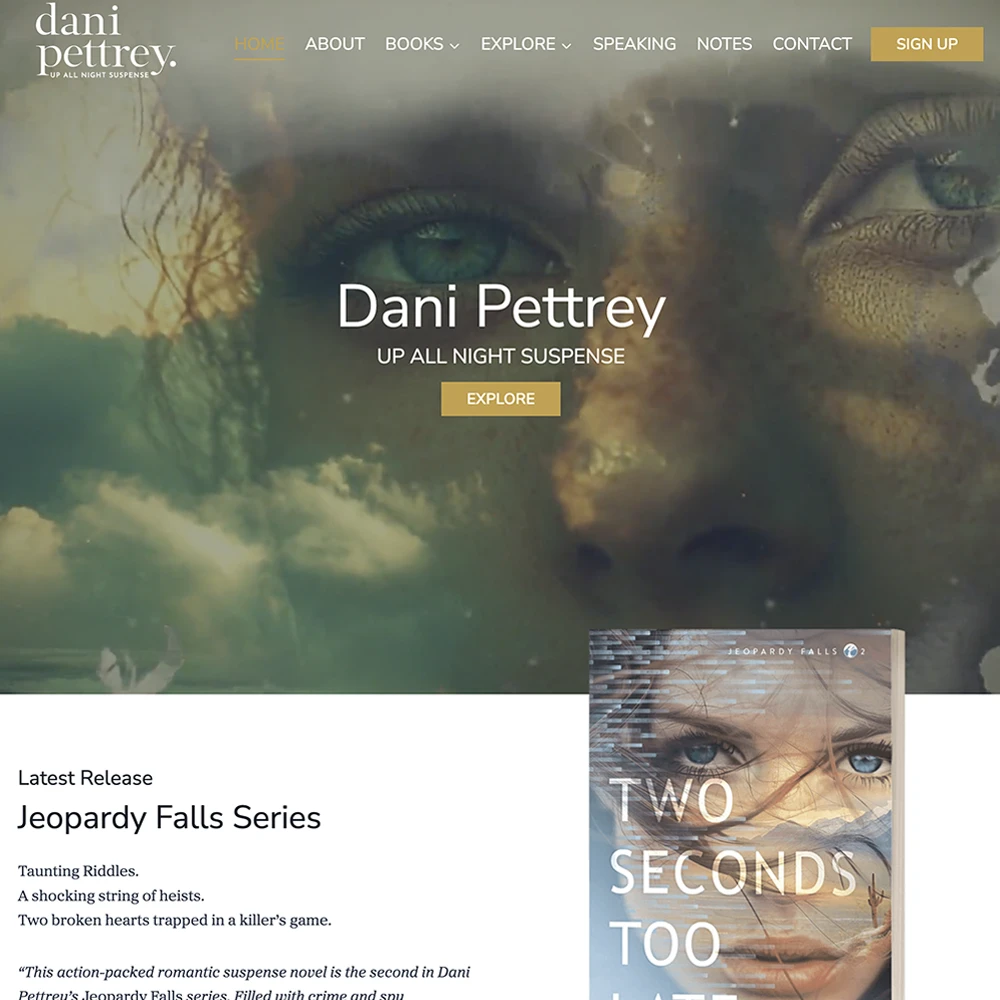
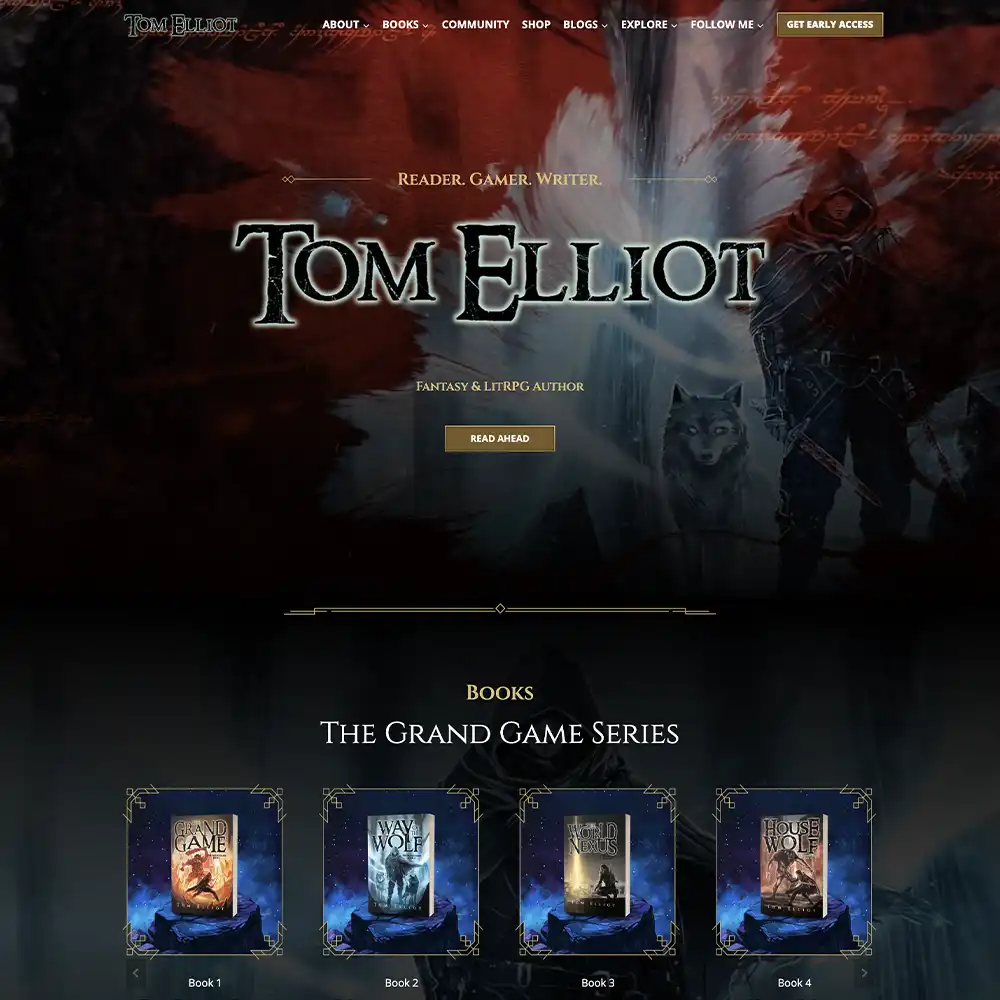
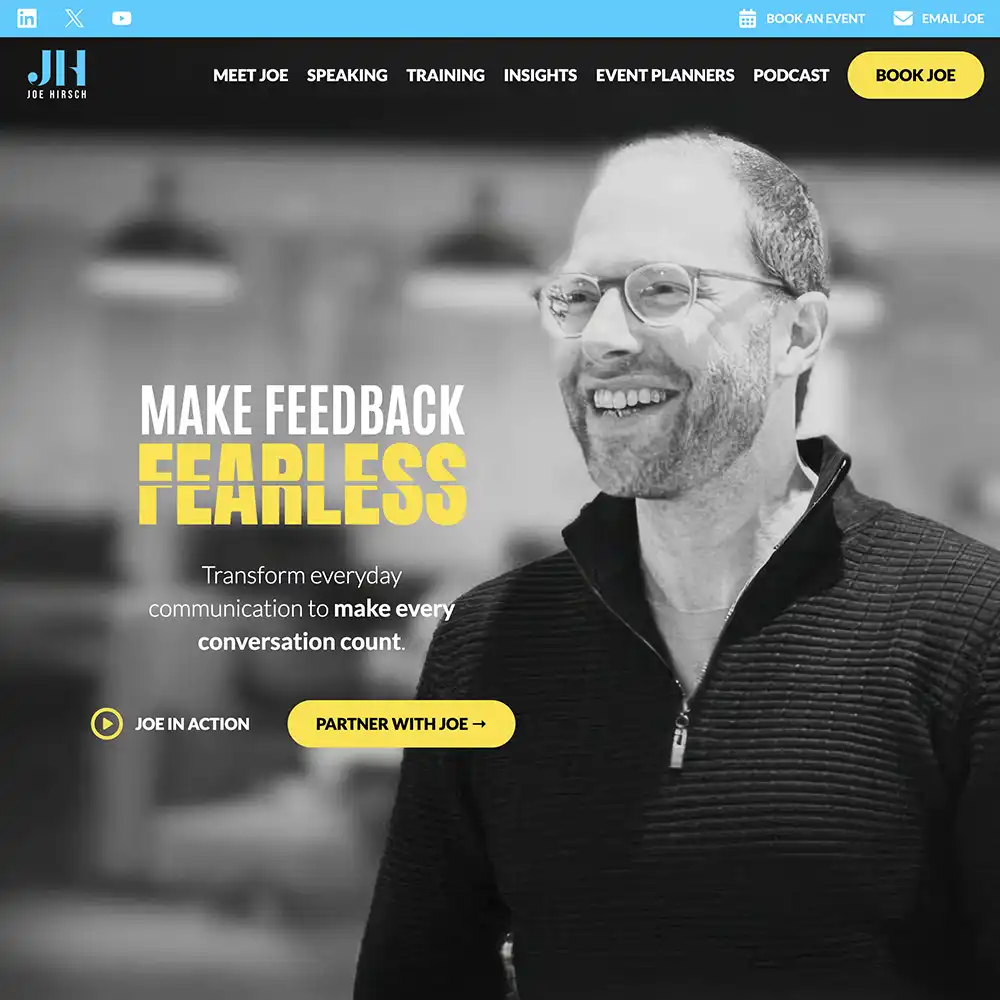
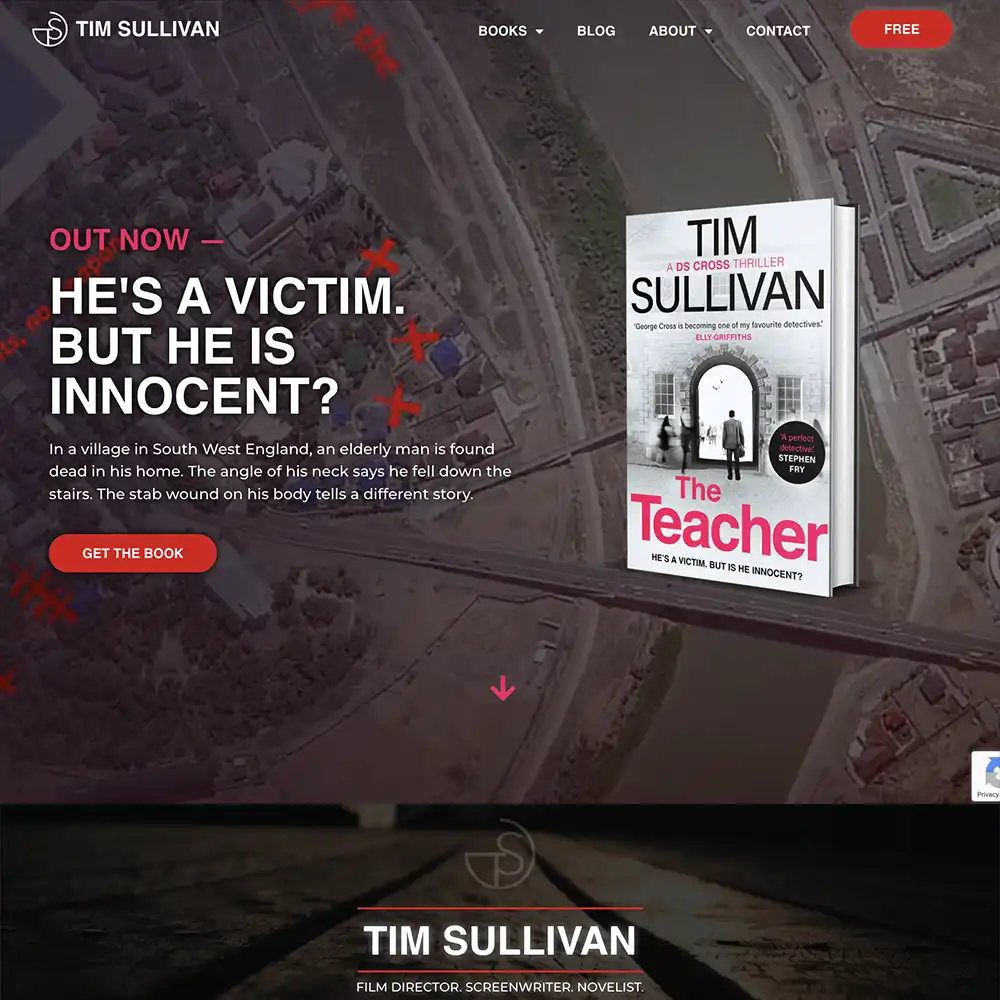
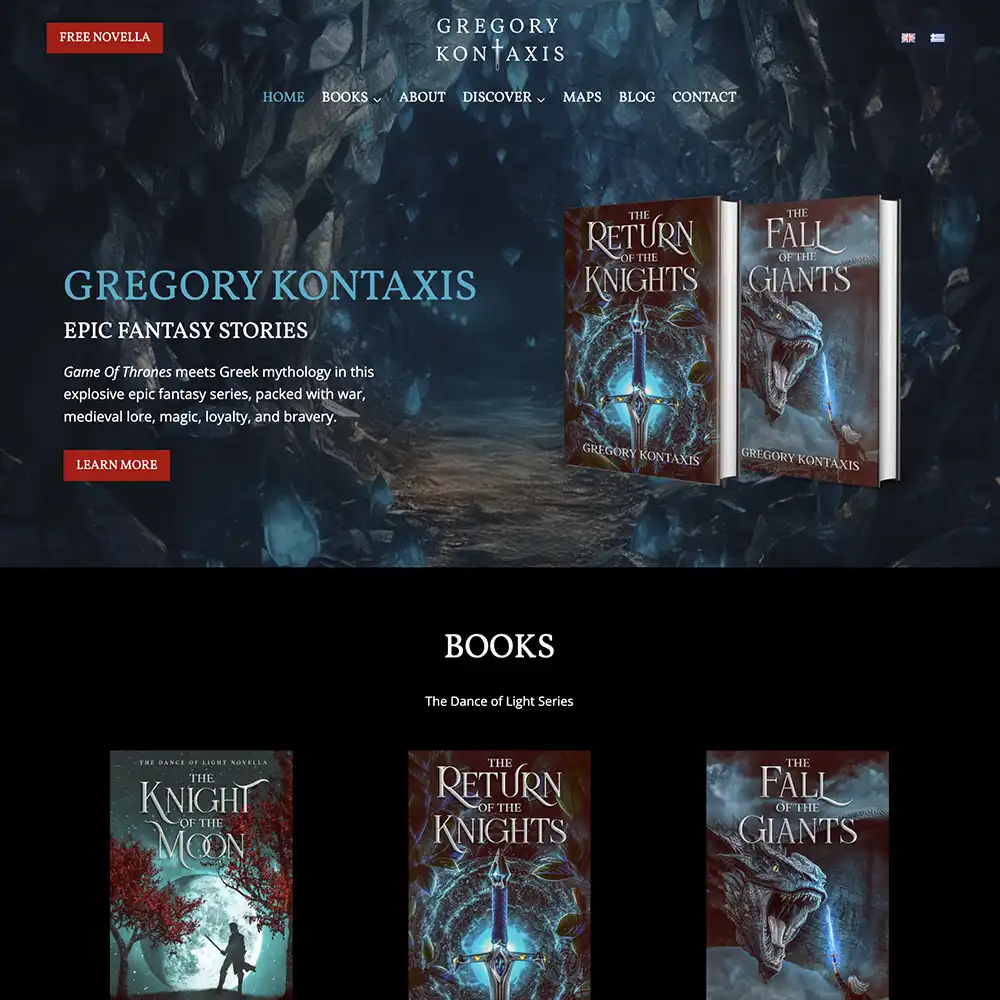
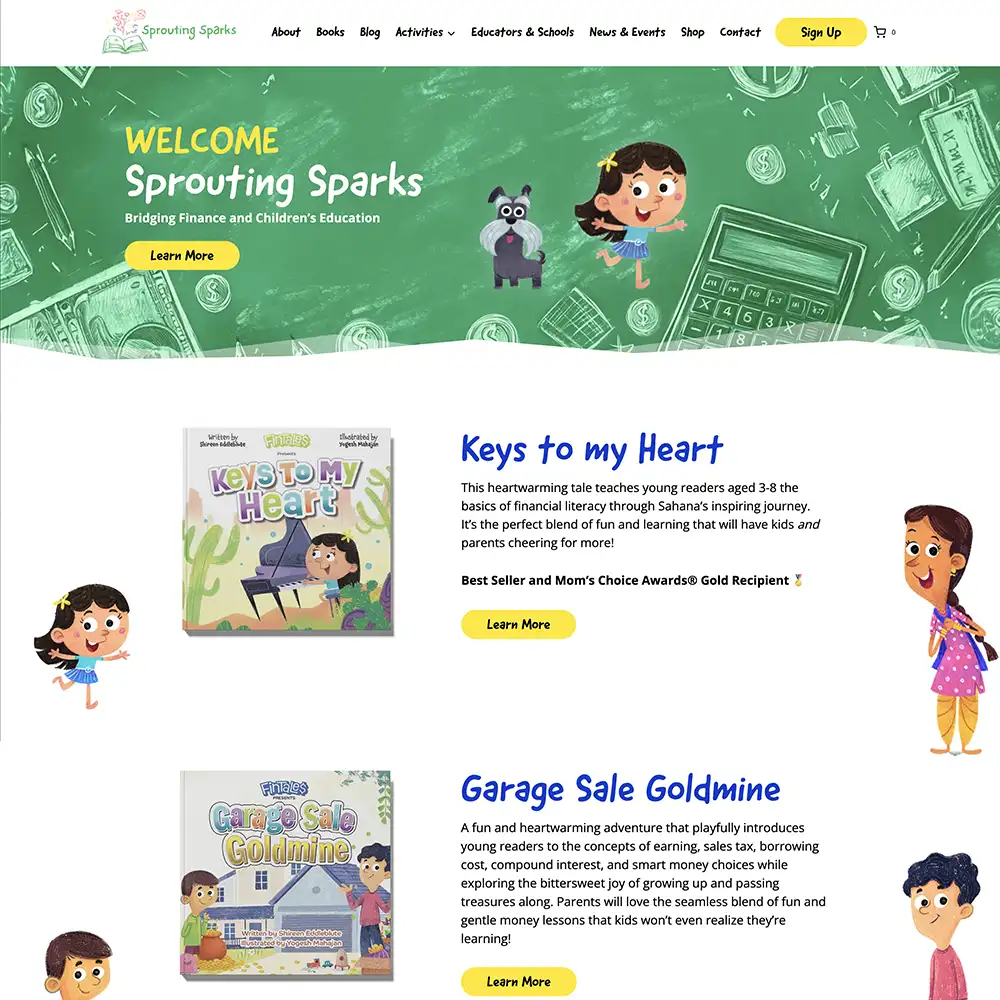

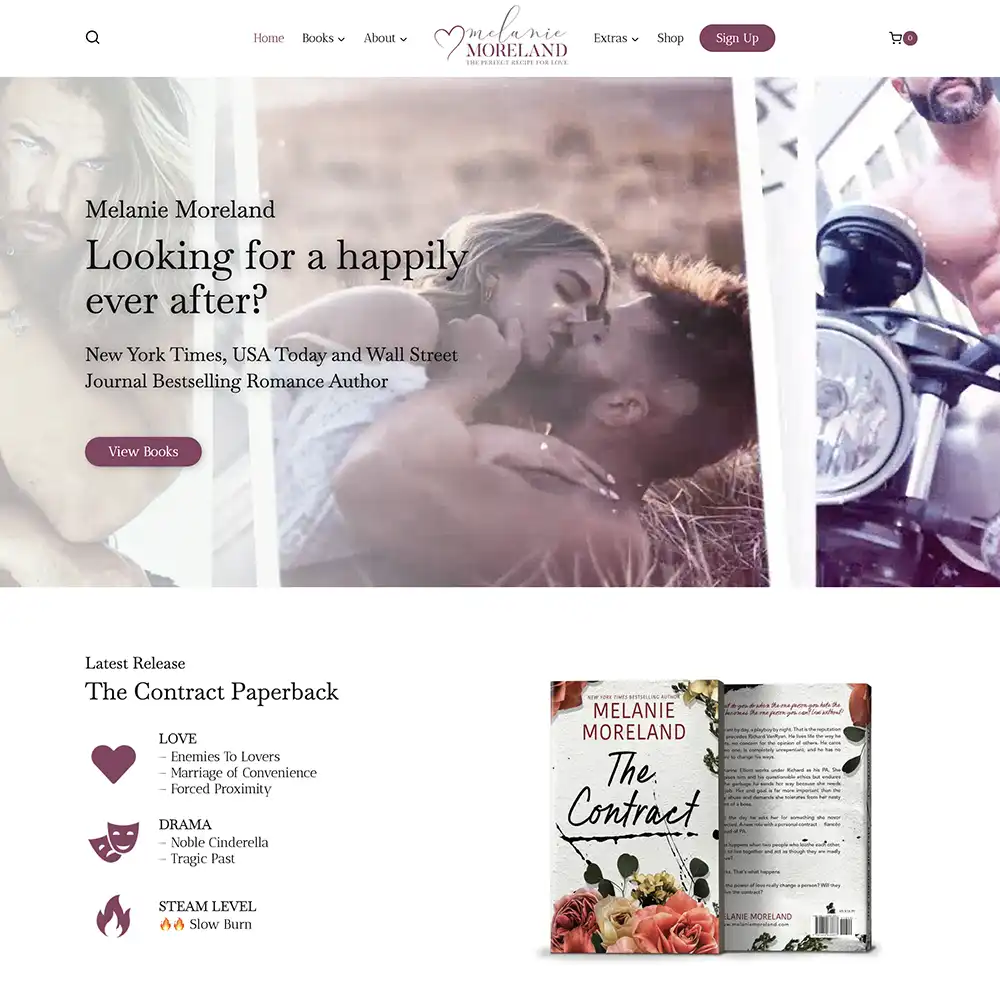
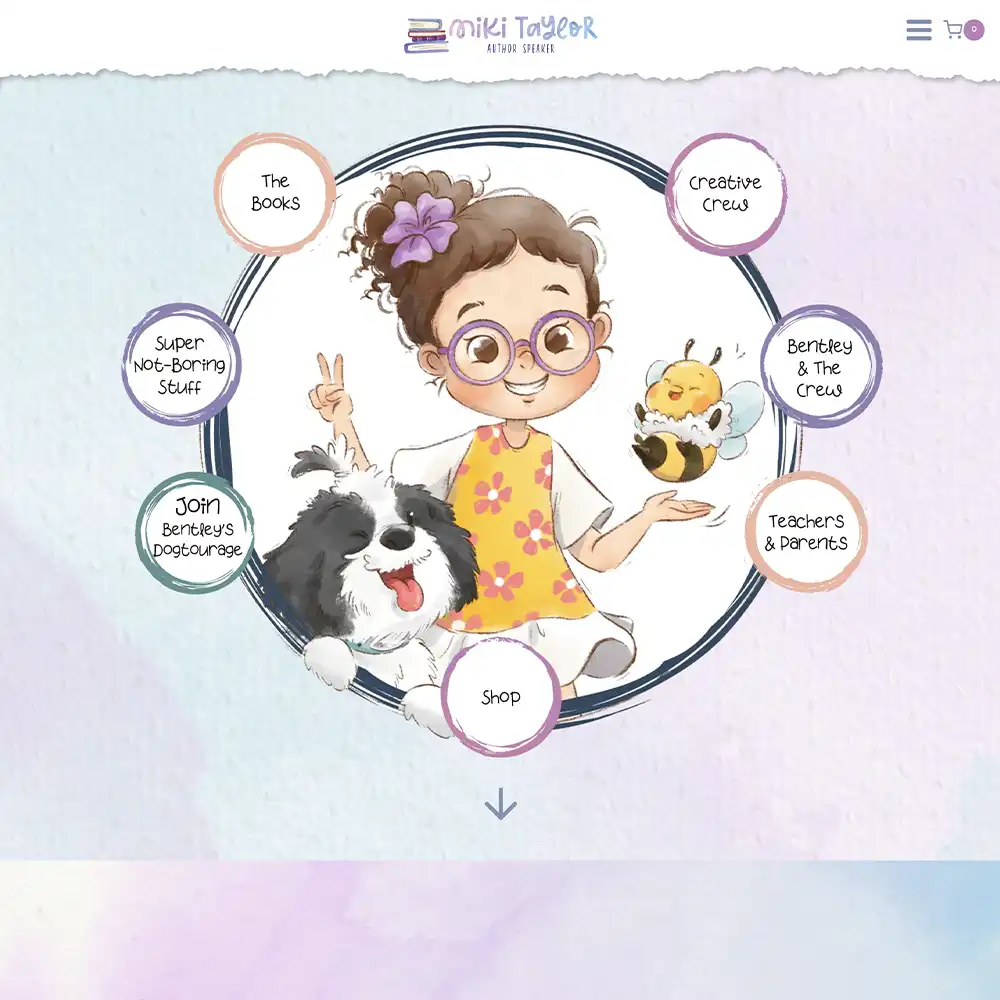
Tip 3: Focus On The User Experience (UX)
Readers appreciate sites with a great page experience.
Because who wants to spend even a minute struggling to view something online?
Prioritizing user experience (UX) will mean readers are likely to stay engaged with your work rather than bounce and search for the next thing.
So, with any of your online platforms, whether it be social media or your website, make sure to check links, buttons, images, plugins, etc.
And don’t forget Amazon!
Even though this platform is largely out of your control, you can use Amazon Author Central to personalize your book’s product page with trailers, reviews and A+ content.
Tip 4: Create Content to Answer Readers’ Questions
This is for those authors (particularly non-fiction ones) who have advice to share related to their work.
The best and most engaging content should always answer your reader’s questions.
If a reader feels that they aren’t finding the answers to their questions, they’ll leave.
You want this content to either inform or add value to the readers’ experience and ultimately help solve their problems.
Tip 5: Take Advantage of Paid Ads
Traditionally, people have used radio, TV, print, or other forms of media to boost their exposure.
However, since the pandemic, these platforms haven’t proved as impactful as before. Digital has been the least affected, and in fact has bloomed.
To take advantage of this trend, authors have taken to Facebook ads and Amazon ads.
With successful ads, you can improve your exposure and, therefore, traffic to your website and book pages.
More traffic means more people finding you, which means more potential book sales in the long run.
Tip 6: Automate Your Tasks
Automating your tasks can help you save time and prioritize what really matters: writing your books.
Automation in the right areas can greatly increase the benefits to your Digital Marketing Strategy for books.
For example, the best place to automate is your email marketing.
Many authors praise this as a long-term marketing tactic that forgoes the headaches of social media.
Build up good content, then arrange it into a welcome series for new readers to see your best work up front when they sign up to your mailing list.
This warms them up to your work while providing instant value.
Here is a shortlist of some of the areas to consider automating:
- Automate Marketing Emails – Schedule your email newsletters in advance. You can also set up email series that get fired off to different audiences to provide personalized follow-up (for example, the welcome series we mentioned above!).
- Automate Social Media Posts – Schedule all social media posts on multiple platforms in advance.
- Automate Lead Flow – If a reader wishes to download a sample chapter, worksheet, or any other free offering, send them an email right away to allow them to download it. Then, send them scheduled automated emails related to the topic to help them move down the book sales funnel (keep it tasteful!).
- Automate Analytics Reporting – Use Google Analytics, Google Console, and your CRM to track reader behavior and analyze the impact of your book marketing.
Tip 7: Create Content That Readers Are Searching For
SEO tools and Google Analytics data will tell you what keywords and topics your target readers are searching for.
(A quick browse through reader forums can also help you come up with ideas!)
Use this data to create blogs and other resources.
The goal is to make quality, valuable content. Alternatively, you can use these topics to improve and repurpose the content on your existing blogs.
Remember to keep the focus on making connections with your readers, instead of selling your book.
By providing helpful, high-quality content, you’ll gain the trust and credibility of readers.
Tip 8: Use Video On Social Media
Social Media Marketing is skyrocketing.
Times have changed, and apps like TikTok and Instagram Reels debuted in 2020, making videos the most popular form of content on social media.
It’s time to try out video content on your platforms!
Get aesthetically pleasing videos that fit the vibes of your books, especially to show new releases and get some hype around them.
Sharing a book trailer in the build-up to your book launch could also stir some buzz.
You can take it one step further and try adding interactive elements to your videos.
Interactive videos are a new type of content that gives the viewer the ability to interact with the videos themselves, creating a user experience like no other.
Readers enjoy interactive video content because it gives them the ability to decide what information they want to view and when they want to view it.
Tip 9: Build Your Brand Strategically
Whether you are a saged author or a debut author, first impressions matter.
You need a clear, captivating brand to make the most of that first impression.
Your brand is more than just a logo on display. Branding runs deep.
From the atmosphere on the home page of your website to the tone of your social media, your branding should be easily identifiable and appealing to your target reader.
That’s why hiring a professional to help with your branding and logo is key to your success.
Tip 10: Track & Measure Spending
There are hundreds of tools and trackers out there for you to use in your digital marketing for books.
Carefully analyze each channel, platform, or tool and what they offer to you (in-depth). Also, set clear and measurable goals for each activity.
You will want to do this so that you can properly decide where and how much to spend. Spending and digital book marketing should be done in a strategic way.
Doing things haphazardly will only yield ineffective and unsustainable results for your book promotions.
Be sure to continuously measure the results of each of your branding and book marketing tactics.
This will ensure you’re getting the best bang for your buck, and alter or cease activities that aren’t meeting your goals.
Tip 11: Improve Your Online Presence With SEO
Search engine optimization (SEO) is the art and science of getting found online through readers searching for relevant terms in Google or other search engines.
There are really 3 main aspects to SEO:
- Researching what readers are searching for in your genre
- Writing content that piques their interest
- Getting other websites to link back to this content
With successful SEO, you can expand your reach to new readers. Attract them to your website, where you can hopefully convert them to book buyers and ultimately fans!
Tip 12: Know Your Readers
Having knowledge about your readers and what their behaviors are will allow you insight into their respective markets.
There are many tools to understand and measure your readers’ purchasing behaviors.
You can create reader personas to help you build your digital book marketing and branding strategy.
Additionally, monitoring behaviors and results using Google Trends will keep you on top of relevant topics.
Tip 13: Give Readers Instant Gratification
Digital means easy.
When readers search for something, they want to see it pop up online immediately. Any barrier put between them and your book will result in lost interest.
It should be easy to find you, but once they do, you need to reward them.
For readers, the instant gratification is:
- Easily finding your book online.
- Picking their preferred book retailer to purchase your book from (this can be done by listing all the retailers on the book page on your website).
- Receiving a free novella, ebook, or sample chapters of your popular book when signing up for your newsletter.
Remember, it’s nice to provide a seamless experience that wows readers, but the bare minimum is to ensure you don’t infuriate them and provide a professional experience!
Tip 14: Review Your Strategy and Budget
A vital part of digital marketing for books is to consistently evaluate how your efforts are doing.
The digital world is fast-moving, so you need to keep your eye on the ball.
Take a look at your marketing metrics to understand what worked and what didn’t work.
Some metrics require monthly evaluations, like your book launch promotions, while some need weekly analysis, like your Facebook ads.
This is key to improving your marketing going forward, and to not repeat any past mistakes.
Be sure to update your book marketing budget to accommodate the digital marketing tools and strategies needed.
Tip 15: Keep an Eye on Social Media Platforms
Keeping up-to-date with rising social media platforms can help you engage with your target readers.
For example, the social media titan, TikTok, has taken the world by storm and provided authors a new outlet to reach their readers. Using influencers who read their books has also been breathing new life into digital book marketing.
(Reaching out to influencers can result in book reviews on their platform, providing more exposure to likeminded readers.)
There’s not a new social media platform every day with this sort of status, but being on the lookout may be the difference between getting on the bandwagon early or being left behind.
This can be applied to book trends, too! Look out for new ways other authors write blurbs, title their book, and create their book covers, etc.
Changing tactics could reel in the right type of readers.
Tip 16: Update Your Content
You’ve created your content as we suggested above, and you’re on a roll!
Now, don’t forget to update your old content too!
The world is changing every day, and content needs to change with it. It’s a must to review your old blogs and refresh them.
You can either trim out advice that doesn’t hold true anymore or add on vital information that your readers will love.
Tip 17: Be Authentic
One of the most compelling ways to attract new customers is to be authentic.
Rather than creating a brand that you think readers want to see, be true to your core values and attract readers with similar values to your work.
In doing so, your voice will be heard through your sincere brand storytelling, and your readers will respond in a much more genuine way.
Surprise Tip 18: Get a Professional
Digital marketing for your books can be exhausting and, not to mention, time-consuming. Automating can only do so much!
The truth is, you’re not a digital marketer who has every tool in their box sharpened and ready to use. You’re a writer who needs to write!
And even if you are skilled at digital marketing, you’re likely not an expert at everything.
Why not hand some of the harder parts off to someone else with expertise and knowledge to get it done in the time you need to write and edit your novel?
So, if you’re ready to establish your online presence while not letting your writing slip, we can help.
We’ve built 100+ high-performing author websites that do more than just look good—they help authors sell more books, grow their email lists, and build thriving fanbases.
We work with fiction and nonfiction authors across genres, optimising their sites for discoverability, conversions, and long-term success.
If you’re looking for a custom, done-for-you website, let’s build one together! Fill in this inquiry form and get in touch!