If you want to reach your target readers online, you need to write blogs.
You’ve heard about how it boosts SEO traffic from Google, and helps readers find your website, and all the good stuff that goes with that (like book sales!).
But what should you write?
You know how to weave a story and captivate readers, but writing a blog is something else entirely.
We’re going to go over that right now! If you want to attract your readers, these are the types of blogs to try.
Blog Type #1: The How-To Post
People are always searching for how to do something online. And if you know how to do something, and it’ll be of interest to your target readers, you have a blog post!
This works best for non-fiction authors who know how to do things better than their readers and can build that authority that keeps them coming back.
But it can also work for fiction authors with niche interests that’ll appeal to their audience.
All you have to do for this type of blog is simply describe to them exactly how you go about doing something.
Things to keep in mind are: obviously, keep this process very simple, very actionable. Don’t give your audience something that they couldn’t actually do.
If they need some other resource to go about completing those action steps that you’re giving them, then put the link in there to add more benefit.
Say, you know, check out “rocket expansion” to learn how to do the SEO step, or check out one of your favorite resources that’s helped you a lot.
And direct them there so they can actually complete the task, and they can feel “wow I really got helped out by this how-to blog post”.
Blog Type #2: The List Post
The next one, which is probably the most useful and most popular, is the list post.
Take this post, for example! It’s listing 10 types of blogs you can try to wow readers.
You also get combinations of list posts and how-to posts, which our post kind of falls into.
It could be:
- 10 Ways I Get Out of a Writing Slump (if you’re an author who also shares writing tips)
- Top 10 Fan-Favorite Side Characters From My Epic Fantasy Series (for authors who have a popular series to engage with readers on)
- 10 Easy Ways to Set Boundaries in Your Life (for authors who are also life coaches)
It’s a simple formula that’s easy to skim read, easy to follow, and is displayed in an easy-to-digest form.

Blog Type #3: The Expert Roundup
This next one is also a type of list post.
The expert roundup is when you search around the web, or even better, you network and find a bunch of experts in your niche, and you ask them for quotes.
You ask them what they would do on the subject of your blog post.
For example, “12 author marketing experts share their advice to help new authors get traction online.”
Reach out to experts you know personally or have heard of, let them know what type of blog you’re writing, and if they’d be interested in sharing their expertise.
Some will ignore you, unfortunately, but as you grow and network, you’ll find colleagues who’ll love to contribute.
And even if they don’t know you personally, they may say yes!
It’s also an opportunity for them to get exposure on your online platform.
Once you get some yeses, you have a blog!
Add in your own input for each one, or find a way to tie each piece of advice together in a way that intrigues and entertains.
Once you’re ready to post the blog, contact all your experts and let them know. They’ll likely want to share the link with their audience too – providing even more exposure for you!
Blog Type #4: The Interview Post
We featured one of these on our website. Our founder, Matt, featured in The Children’s Book Mastery Summit, and Karen (the host) very nicely shared the interview they had.
It’s sort of a question-answer, back-and-forth type of blog that has an interview feel.
If there’s a video that goes with it, add it to the blog!
Include headings for each question so readers can jump to what they’re excited to read first.
This blog type is great for getting more website traffic because, just as with the expert roundup, the person you collaborate with can share and link to your post.
It exposes you to their audience, and them to yours! Win-Win!
Blog Type #5: The What Is Post
This is a simple type of blog where you explain what something is.
Again, this can work really well for non-fiction authors with knowledge on big topics, or even niche ones. But it can also work for fiction authors who can get creative.
For example, “What Is Romantasy? And How I Broke Into The Space Writing It.”
Or, “What is SEO?”
They provide a lot of value when you define something in a way that’s easy to understand for your audience. They’ll think of you as someone worth checking out more because of it, too!
Blog Type #6: The Why Post
Now, this actually could have a huge amount of variations. This type of blog can either show readers a new way to think of something or answer the exact question you’re posing.
It could be “why you need a successful online presence” or “why you need more pages on your website.”
You don’t always have to pose it as “Why…” or “Why not…” as the essence of this blog type is to ask a question and intrigue the reader.
For example:
- How Much Does an Author Website Cost in 2025?
- To Self-Publish Or To Get Published?
- How To Find A Beta Reader: Are They Worth It?
You can kind of play 2 angles against each other, for example, with our 2nd option, we went at both self-publishing and traditional publishing, providing a balance of information by pitting the 2 against each other in a neutral way.
Blog Type #7: The Trending Topic Post
This is pretty self-explanatory.
An example from 2020 was Dr. Berg doing a video post about the coronavirus.
Pretty much the biggest trending topic of 2020.
It was pretty interesting to hear that there are many types of coronavirus. They just happened to call this coronavirus THE coronavirus, but actually, there are many types of coronavirus, and some of them aren’t dangerous at all.
And now, with the freedom from the big C-19, there are plenty of trending topics through the mill for authors to jump on.
Grab onto what’s trending. You get that immediate interest from readers who jump on board and then discover you and your work.
Blog Type #8: The Review Post
If you know your audience, you’ll know what books and media they’re interested in – and you’ll likely be interested in it too!
So, write a review about it! (You can write reviews about products too.)
Let readers know what your thoughts were on a popular book that’s all the talk, and invite them to share their opinions in the comments!
Open that dialogue!
A review gives your audience that rare behind-the-scenes look at you as more than an author, but a reader or consumer as well. From there, they’ll warm up to you, value your opinion, and check out your work.
Blog Type #9: The Case Study Post
A case study is about going through an example of how you have completed a task or completed a project, and delivered it.
It could be a success story, or a tale of what you’ve learned through a difficult project.
You can also take other people’s case studies. For example, “How This Author Flipped The Genre On Its Head And Changed It Forever.”
Your own case studies make very nice blog posts because they also help you sell what you do.
You can show the results you produced for your previous readers, and that really helps take people who are thinking of giving you a chance and gives them a behind-the-scenes look.
Blog Type #10: The Guest Post
And number ten… This could be almost any one of the above types of blogs, but it’s a very important one to include: The guest post.
Guest posting is an important part of your blogging strategy. But the guest post isn’t on your own blog, it’s on somebody else’s.
Reach out via email, social media, at conferences, etc., to someone who has a blog in your field or with a similar audience, and ask if you can write a blog on their page.
In that post, you make sure you link back to the posts on your blog or website to get traffic flowing in.
A vital factor that helps websites rank for certain keywords is the number of links and the strength of the links that come from other websites to your website.
The other side of the guest post is to let other people guest post on your own blog, and the benefit, of course, is that you get free content.
What Next?
Once you pick the type of blog you want to write, you write it, publish it, and then write another!
It’s a cycle of content creation to keep your blog relevant and in Google’s good books. The more they see you, the more serious they take you.
Make sure to have a schedule for your blogs so you can stay consistent while allotting yourself time to write what matters the most: your books!
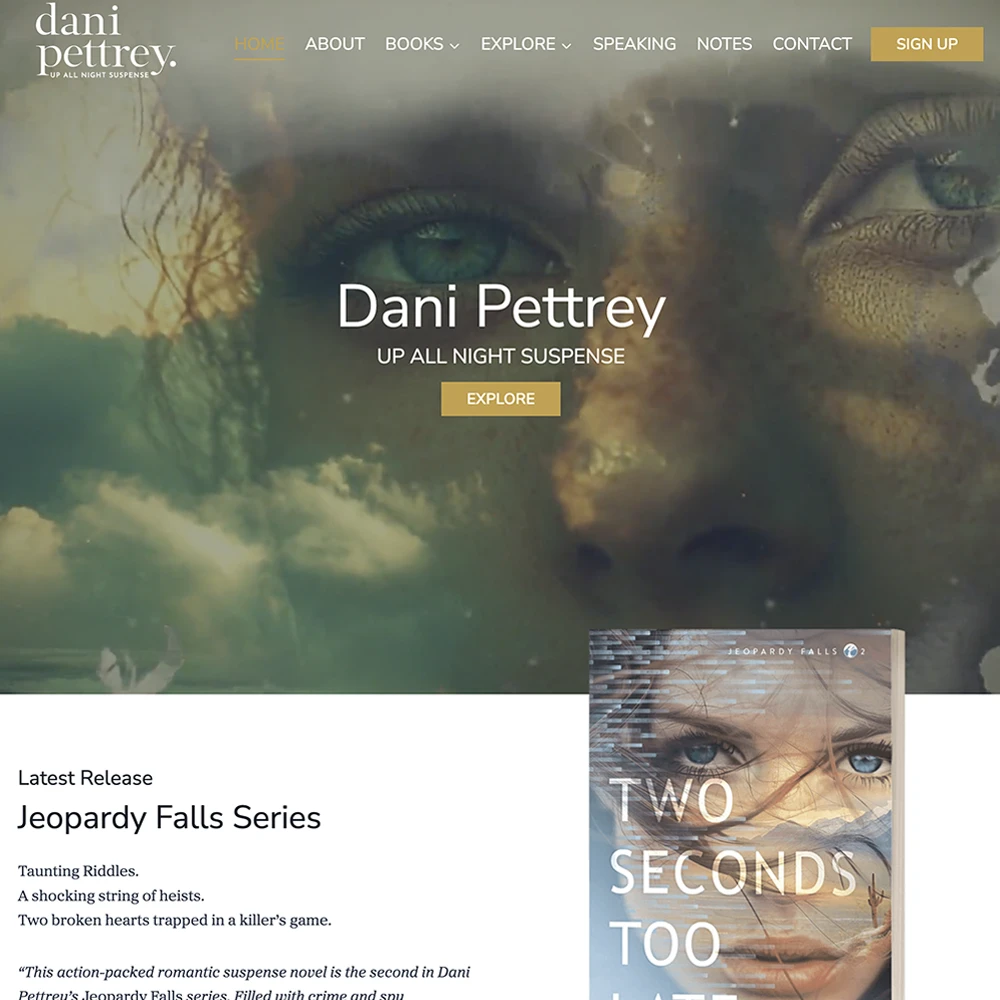
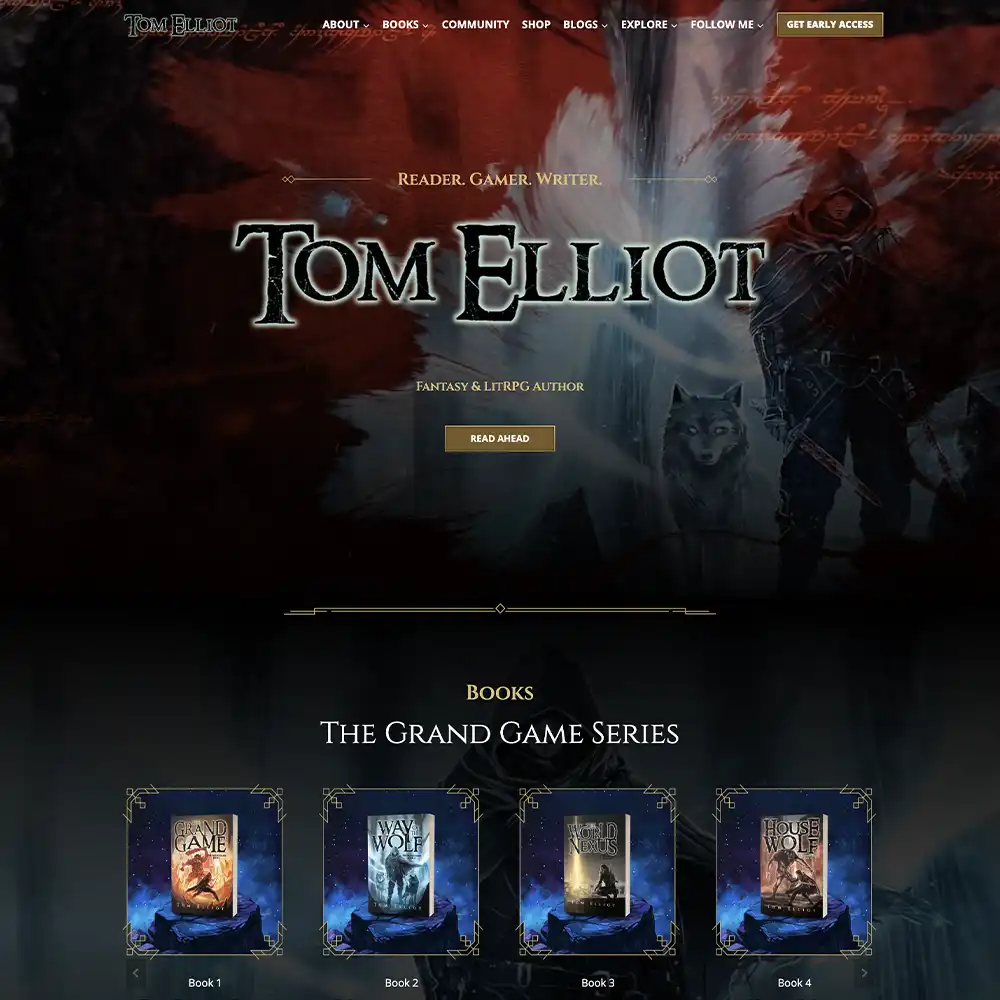
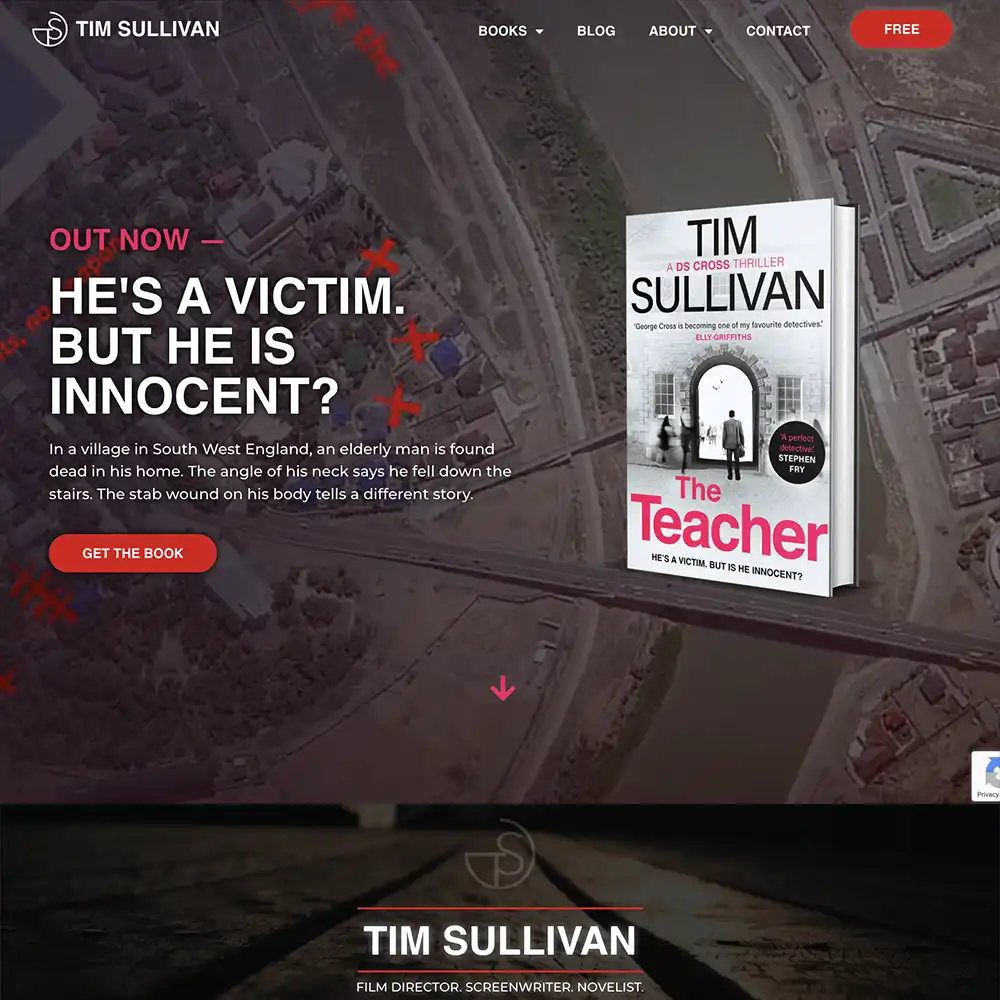
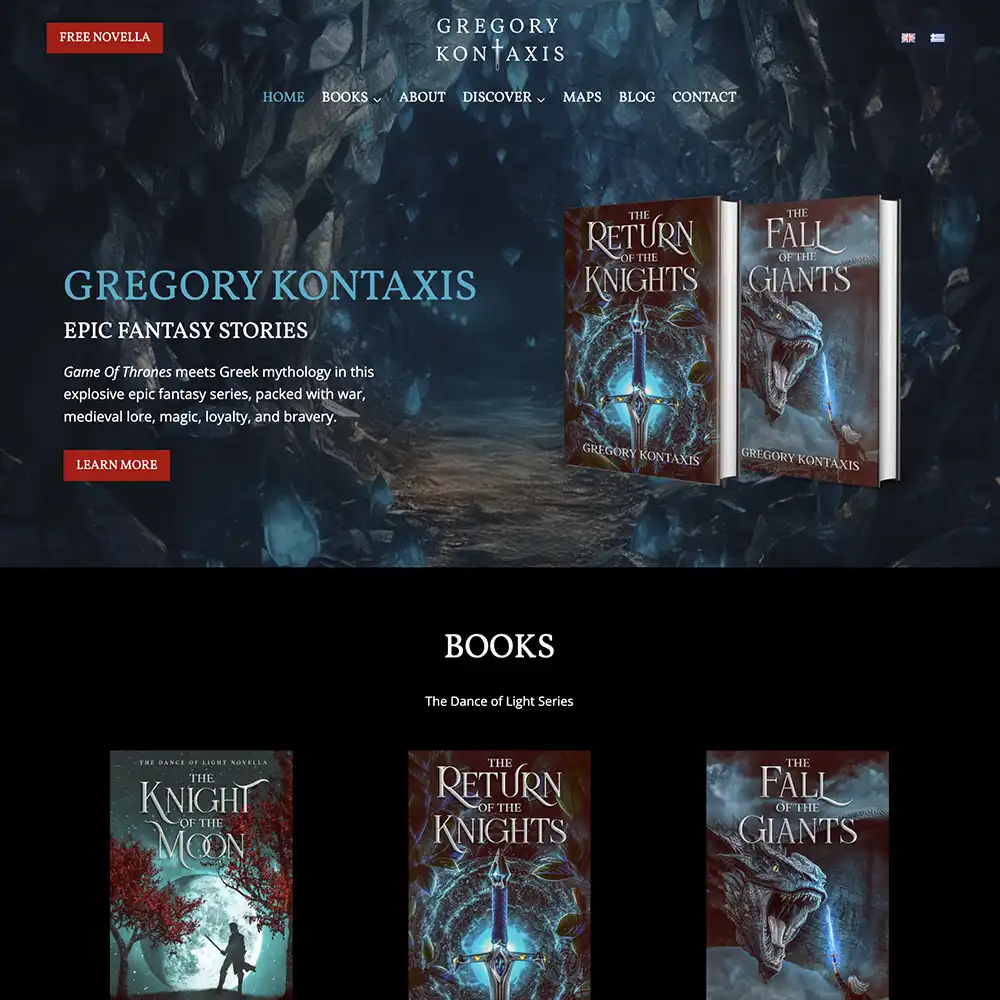
If you’re looking to get a platform to host your blog (or upgrade your current one), look no further!
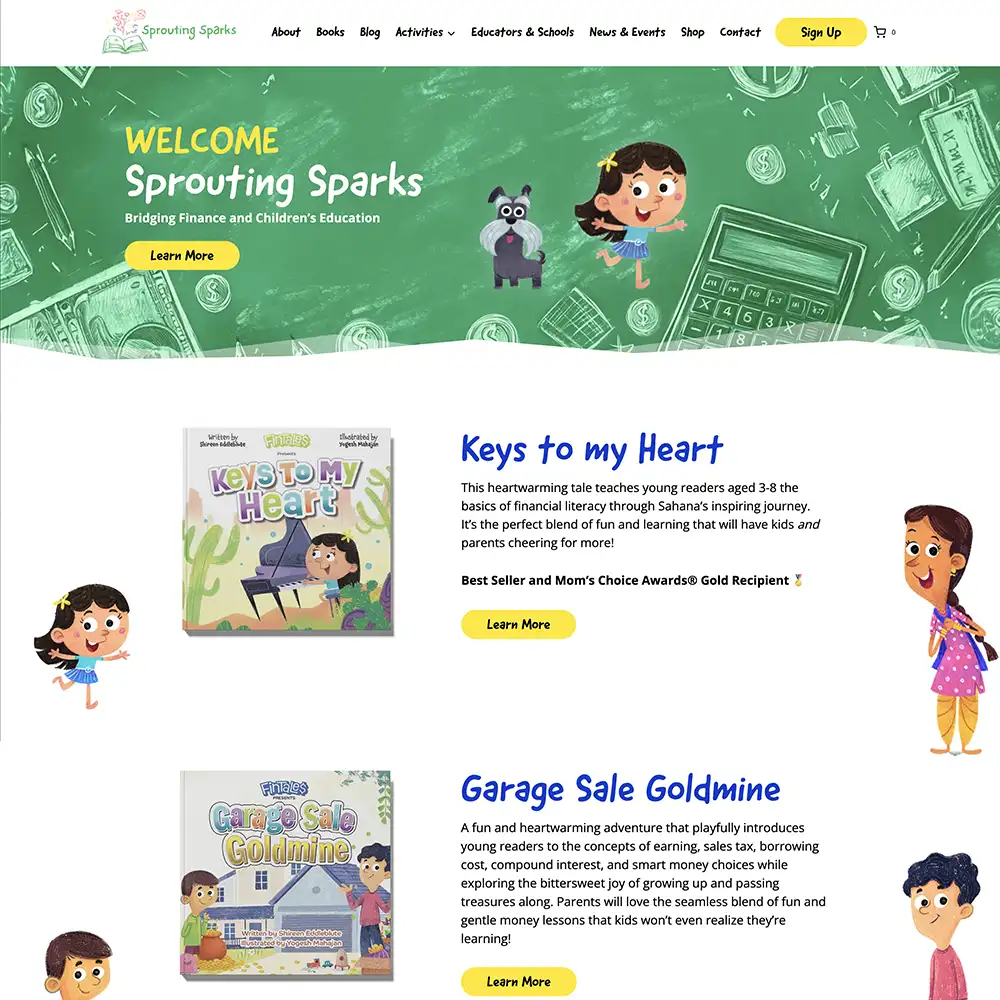
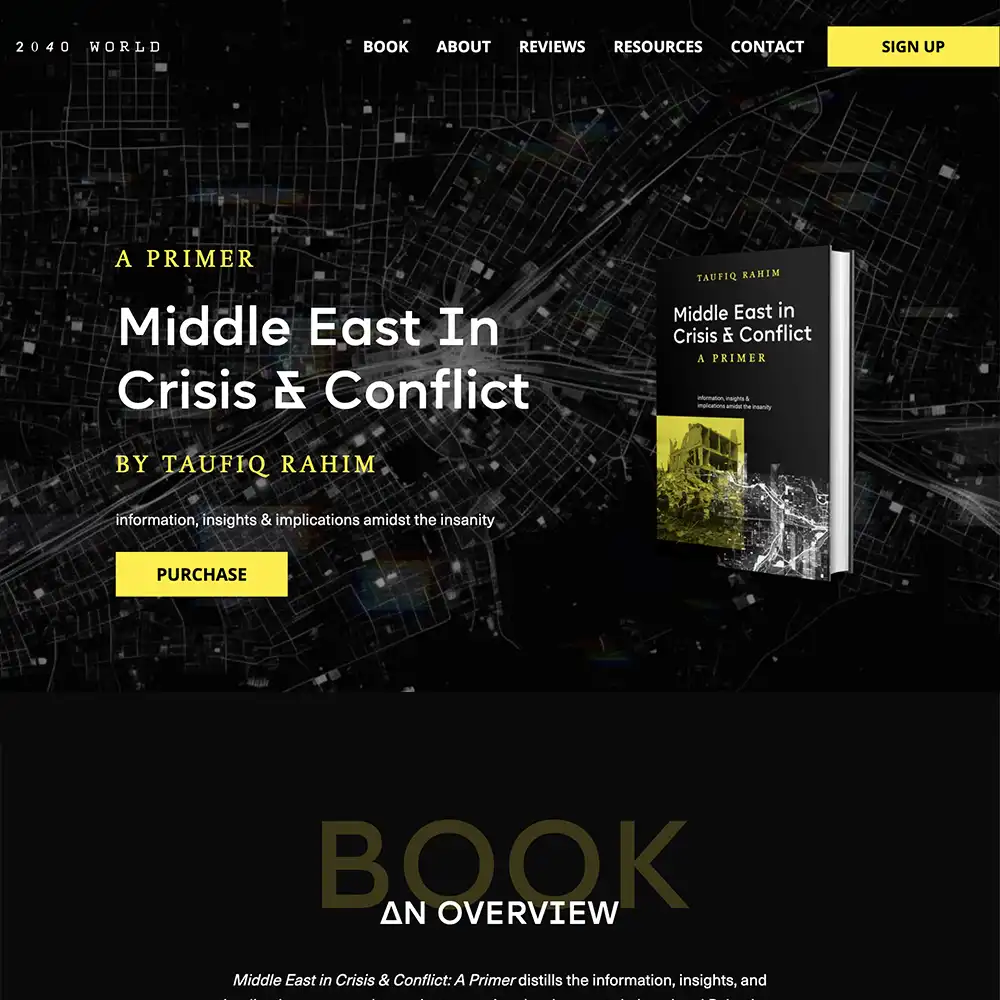
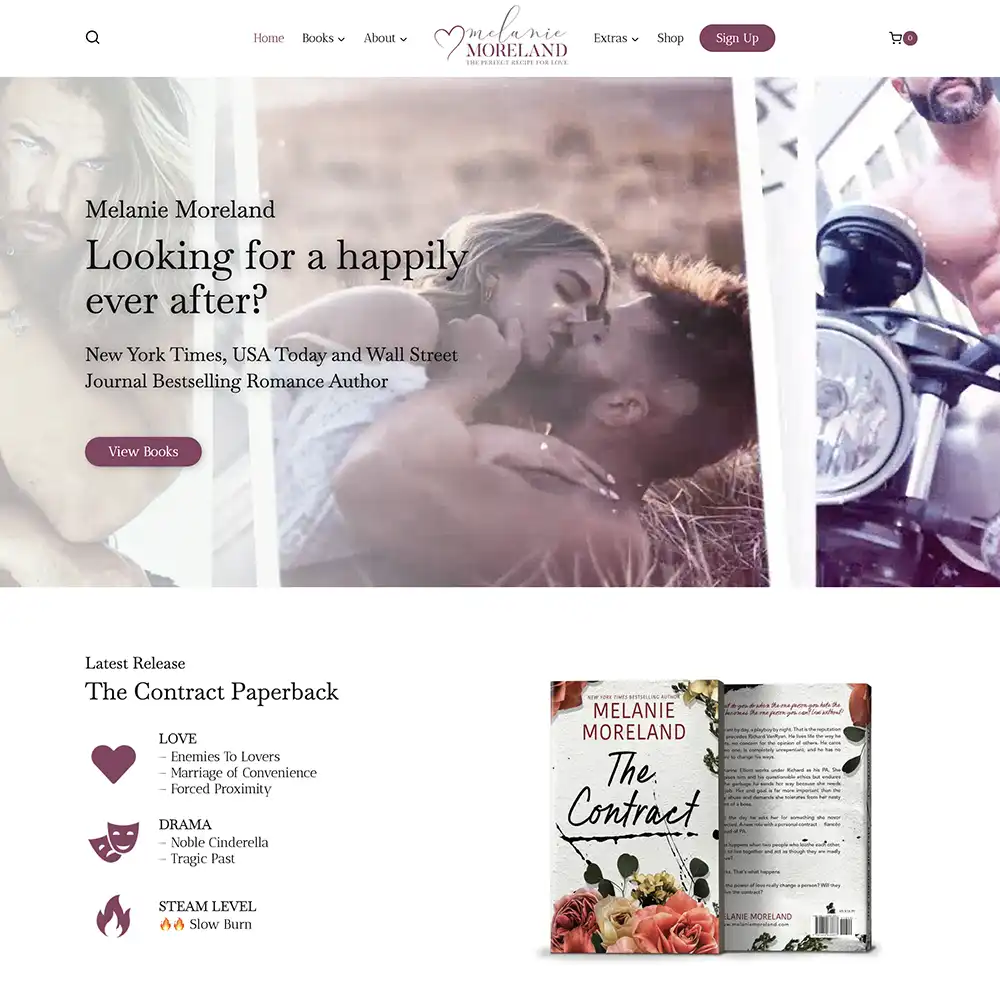
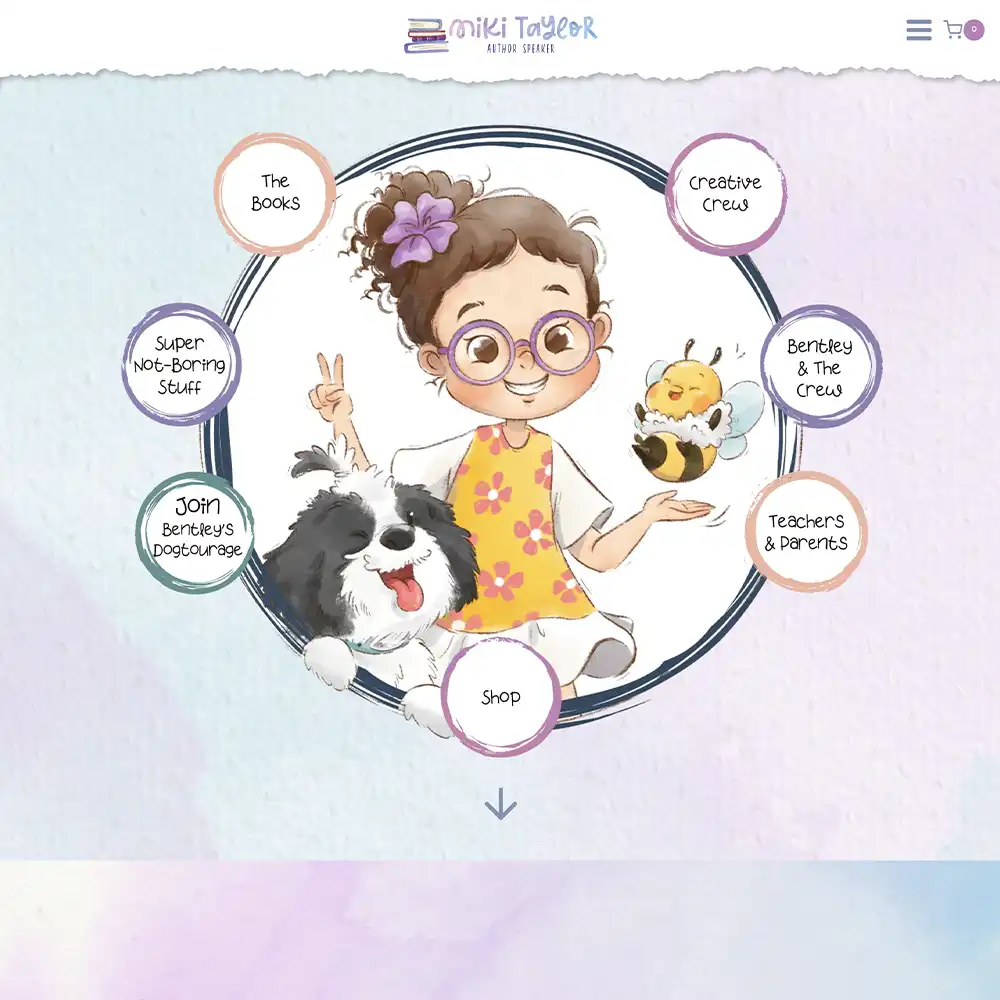
We’ve built 100s of author websites for all types of authors, from established bestselling authors to debut authors stepping into the industry for the first time.
These websites have dedicated blog pages that are easy to navigate and post on.
Simply inquire here to get in touch, and we can see how to get your blog up and running!