
Wouldn’t it be lovely if you could write your book, publish it, and have the sales flood in?
Oh, if A to Z was just a straight line…Life would be simple!
But as with any product or service you market, there will be highs and lows and journeys in between that lead to that oh so sweet sale.
And being a creative means your heart is in the project; therefore, the process of selling and marketing may feel a bit…icky.
But it’s a cog in the machine that leads to book sales, so it must be done. And the right place to start is with a sales funnel.
Whether you know it or not, if you have a published book, you already have a funnel. It sits in the background, filtering readers through.
Now, it’s time to take charge and curate that book funnel to work for you.
And the secret to selling without being gross is developing your sales funnel to build connections, not just make a sale.
So, let’s get into it.
What is a Sales Funnel?
A sales funnel is the journey a new reader must take to buy your book. It’s essentially a map of the buying process that a reader goes through.
Quick note!
A sales funnel looks different for non-fiction and fiction authors.
For example, for fiction authors, the main goal is to sell their books, whereas for non-fiction authors, it may be to use their books to get speaking gigs, sell their services, or promote their business.
We’ll touch on these differences below when discussing the 3 parts of the funnel: the top, middle, and bottom.
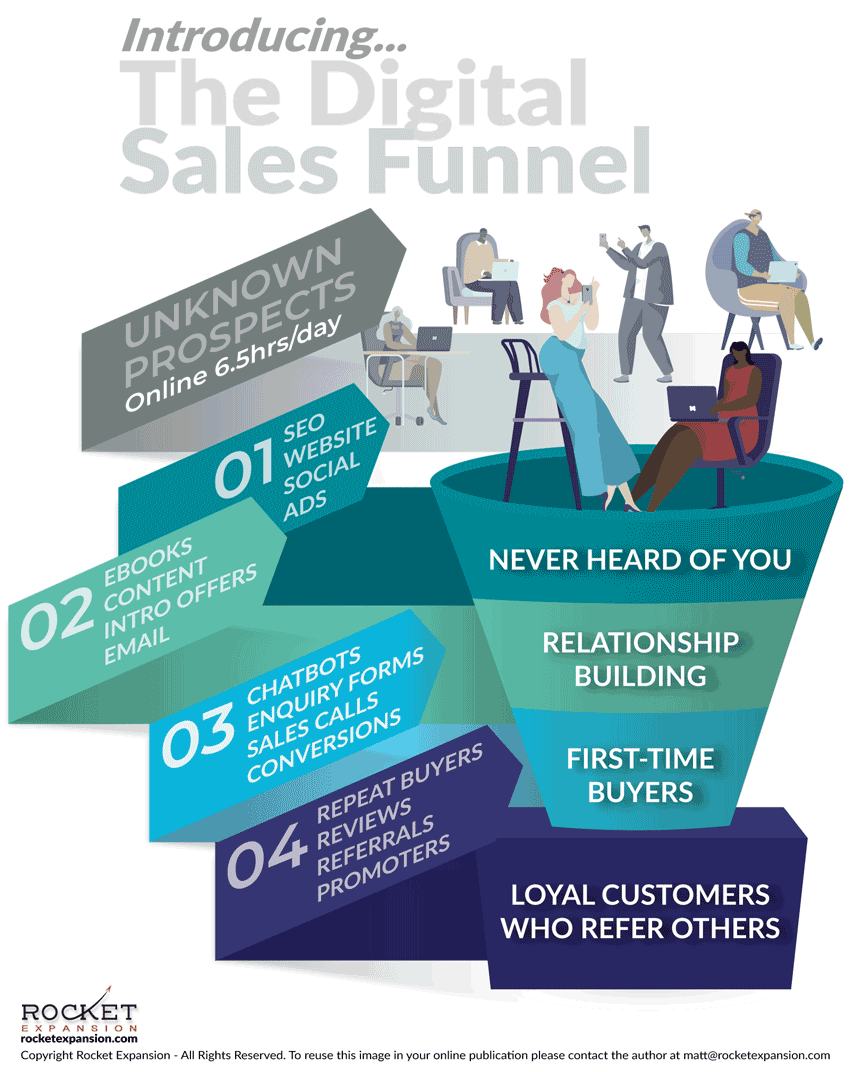
The infographic below is a quick breakdown of the funnel, so feel free to download it and reference it whenever you need to (it applies to any type of business!).
Top of Funnel: Awareness
The top funnel is the part of your book marketing that reaches out to brand new readers, aiming to create awareness for your branding and books.
An example of top of funnel could be appearing as a guest on a podcast and letting new listeners know about your book, or service (for those non-fiction authors!).
Another example is a blog post – just like this one.
Readers searching for fantasy enemies-to-lovers may happen on your blog post, breaking down how you wrote your fantasy enemies-to-lovers book, and become aware of your work.
Middle of Funnel: Trust, Relationship and Authority Building
Once readers know you exist, you need a way to keep the relationship going.
Just like when you meet someone cute, and you guys hit it off, you ask for their number so you can continue talking – the middle funnel is the same idea!
Unless you keep the conversation going, you’ll never build trust and understanding. And in the case of book promotion, you need to stay connected to these readers to show your authority and style in your niche.
An example of middle of funnel could be signing up for an email newsletter. At the top of this blog post, you can see a free author website playbook ebook.
Signing up allows us to continue talking to our audience via email and build a strong relationship.
Another example could be readers following you on Instagram or Substack, where you post content about your books in between fun posts about your writing process, memes, etc.
For non-fiction, you could offer workshops, post case studies on LinkedIn, post How-To videos, etc.
In both cases, middle funnel is where you provide your audience with extra content to keep them engaged and show them what you’re about.
Bottom of Funnel: Book Sales, Fandom, Reviews, Word of Mouth
Once you’ve built a relationship, you can go for the sale. These could be:
- Limited-time discounts on your popular series,
- Having a lead generation page where intrigued customers can book a call or request a demo (non-fiction).
- Showcasing book reviews from popular figures in the industry,
- Sample chapters,
- Hosting a webinar or Q&A to answer what customers may need to know before they’re comfortable booking a call (non-fiction)
- Posting content showing the tropes and comparisons to popular books, etc.
After the book sale is made, readers move into the lower part of the funnel where they buy more of your books, leave rave reviews, and tell others about the book.
And, as you go down the funnel, it gets narrower. Readers who are not the perfect fit for your book will exit the funnel – that’s okay! It’s natural.
Make sure you keep your marketing true to your book’s atmosphere and your brand. Or else readers who aren’t really a good fit for you will be disappointed by what your book delivers on.
Let those readers fall off your funnel, and the ones that are a perfect fit will keep going down it. That way, the right readers end up loving your books and services.
Do I Need a Sales Funnel as An Author?
In the age of viral success and accidental fame, it’s easy to think, “Maybe I won’t need to do all of this to succeed?”
But the truth is, even for those with accidental success, they start incorporating tactics that enable their author business to grow and stay successful.
They keep writing books, keep promoting, keep changing covers, and keep building relationships with their readers.
With a curated book sales funnel, you’ll gain more insights into what book marketing strategies and channels work at different stages of the readers’ buying journey.
Depending on your genre, sub-genre, size of audience, and book themes, your book sales funnel will differ.
Therefore, your strategies will differ! Keep that in mind when comparing yourself to those booming authors on TikTok!
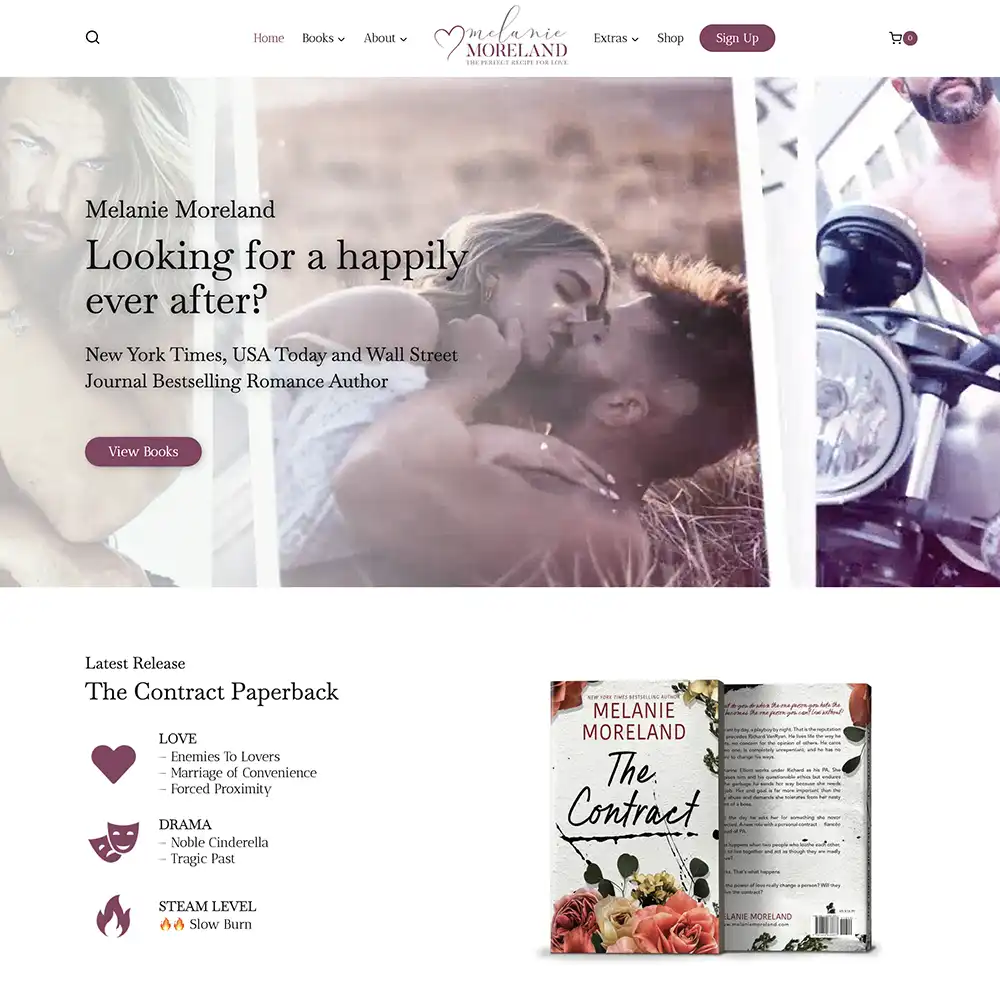
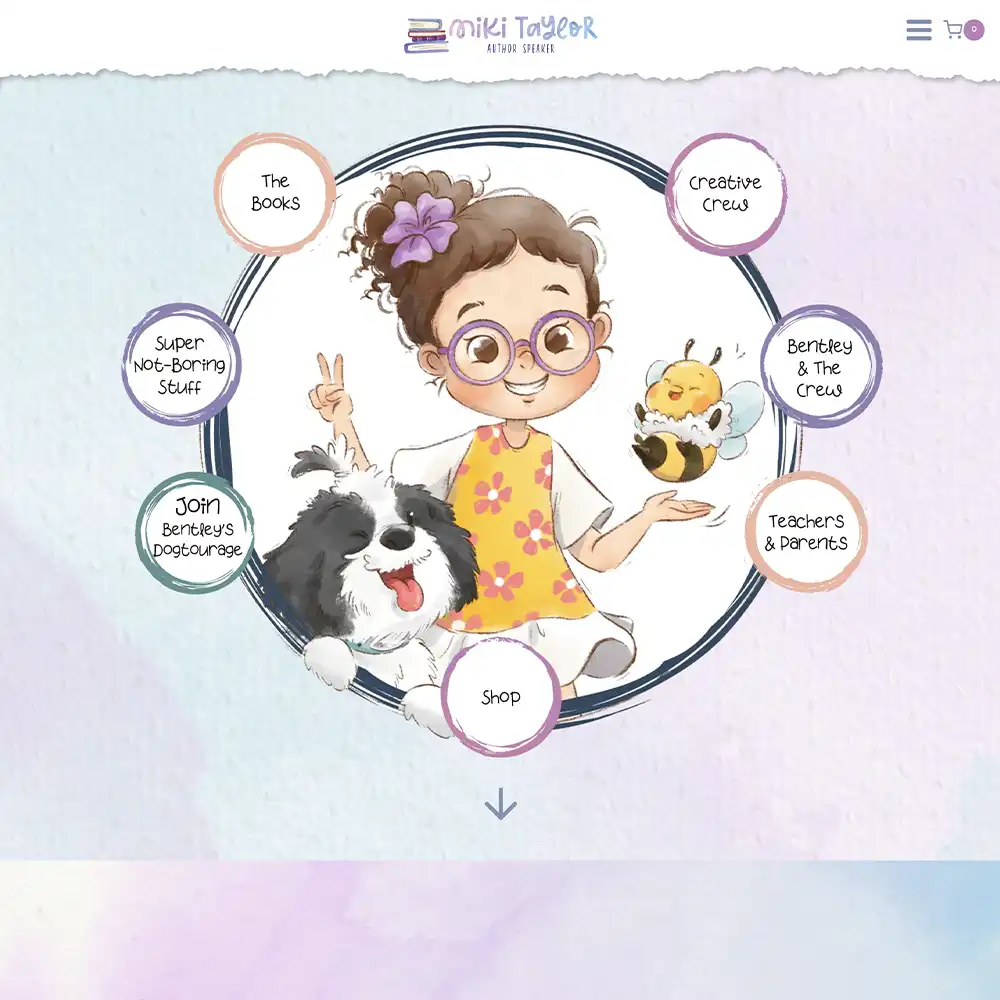
How Non-Fiction Authors Benefit From a Great Sales Funnel
So far, we’ve been a bit fiction-heavy, so we thought we’d list some benefits for non-fiction authors who aren’t just trying to sell books.
This is why non-fiction authors need a sales funnel:
Delivering the right message at the right time
Knowing where your customer is in the funnel will help you deliver the right message to them, making them more likely to buy your product or service.
For example, someone calls your business asking if you have a certain product in a specific color. They want to know how long it will take to deliver what they want and if you deliver in their area.
Then you answer by telling them about who you are as a business, familiarising them with your brand.
And you lose the sale. Why?
Firstly, this person called you… They went out of their way to get your business contact details. Thus, they are most likely familiar with your business.
Second, they called asking about a specific product and when it can get to them… They know what they want and are ready to buy. They probably also know the price, too.
A sales pitch was not necessary.
Having a sales funnel will help you easily recognise certain characteristics of people at different stages of their buying process. That way, you can deliver the correct message.
Aligning your marketing and sales
Please note! Marketing and sales are not the same thing.
Your marketing is what helps you get the sale.
Therefore, by understanding the customer, you can use the correct marketing tools to get them to a place where you can make a sales pitch.
There are many marketing tools at your disposal. A popular one is paid advertising (paying for social media ads).
You can use Facebook Ads, Instagram Ads, LinkedIn Ads, etc., to get in front of new customers and increase their awareness of you. (Facebook and Instagram ads work for fiction authors, too!)
Once awareness has been built, it’s time to offer something to bridge the gap.
For example, giving away something beneficial like a free assessment, free sample, or anything else that adds high value to your potential customer.
If it interests them, you can start warming them up to your sales process by using, for example, a sales call.
In a sales call, you can learn more about your client and determine if you’re a good fit. You can find out:
- Exactly what they want?
- What problem are they trying to solve?
- How much do they want it?
- When do they want to go ahead with it?
- Are they going to be a painful client who is never satisfied?
If you’re a good fit for each other, propose a solution and make sure it’s amazing!
Identify leads that are not a good fit for you
When you can identify people who have the potential to become customers, this makes it easier for you to focus on qualified leads who will produce results.
And as a result, you can move prospects down your sales funnel quicker, instead of having a funnel with too many people at one stage of the funnel, clogging it up.
What A Simple Book Sales Funnel Looks Like
Now, something that’ll work for both fiction and non-fiction authors.
Here’s a simple book sales funnel that summarizes the above information:
- Using SEO (Google search visibility), your website, social media, advertising, and other first-contact methods, readers will get to know who you are.
- You establish a connection with your readers with novellas, sample chapters, blogs, email opt-ins, deleted scenes, and email marketing campaigns.
- You build trust and credibility, resulting in a first book sale or lead. Helpful tools for this stage for non-fiction authors are chatbots, inquiry forms, sales calls, and website conversion rate optimisation. For fiction authors, it would be discounts, sleek book pages on your website with links to all the retailers where your book is available, beautiful book covers, etc.
- The next stage is where you over-deliver. The brands people remember are the truly great ones, and the terrible ones, and not much in between. If your books or services are really incredible, you’ll build a loyal fanbase who will refer you to others who will then join your funnel and strengthen the cycle. Tools that help this process are reader surveys to better deliver, referral campaigns, review requests, and loyalty programs.
How To Build Your Book Funnel As An Author
We’ve broken down sales funnels and how they work. Now to look at how you use them to turn readers into buyers.
We’re going to show you a step-by-step example.
Step 1: Get acquainted
Readers and clients can enter the funnel at any point, but in order to create a seamless book funnel, you need to make sure it flows properly from top to bottom so it makes sense to you and your readers.
That means starting at the stage where readers have no idea who you are. Time to get acquainted!
You need to start appearing where your target readers are. We don’t mean their homes – although that’ll be a definite way for them to get to know you through police investigations – we mean where they hang out online.
Get creative! Chat on forums, swap newsletters with author friends, post on Goodreads under your books, maybe even host a book reading at a location related to their interests.
Besides these, here are some standard areas you need to ensure you cover first so you have the best chance of being discovered by readers:
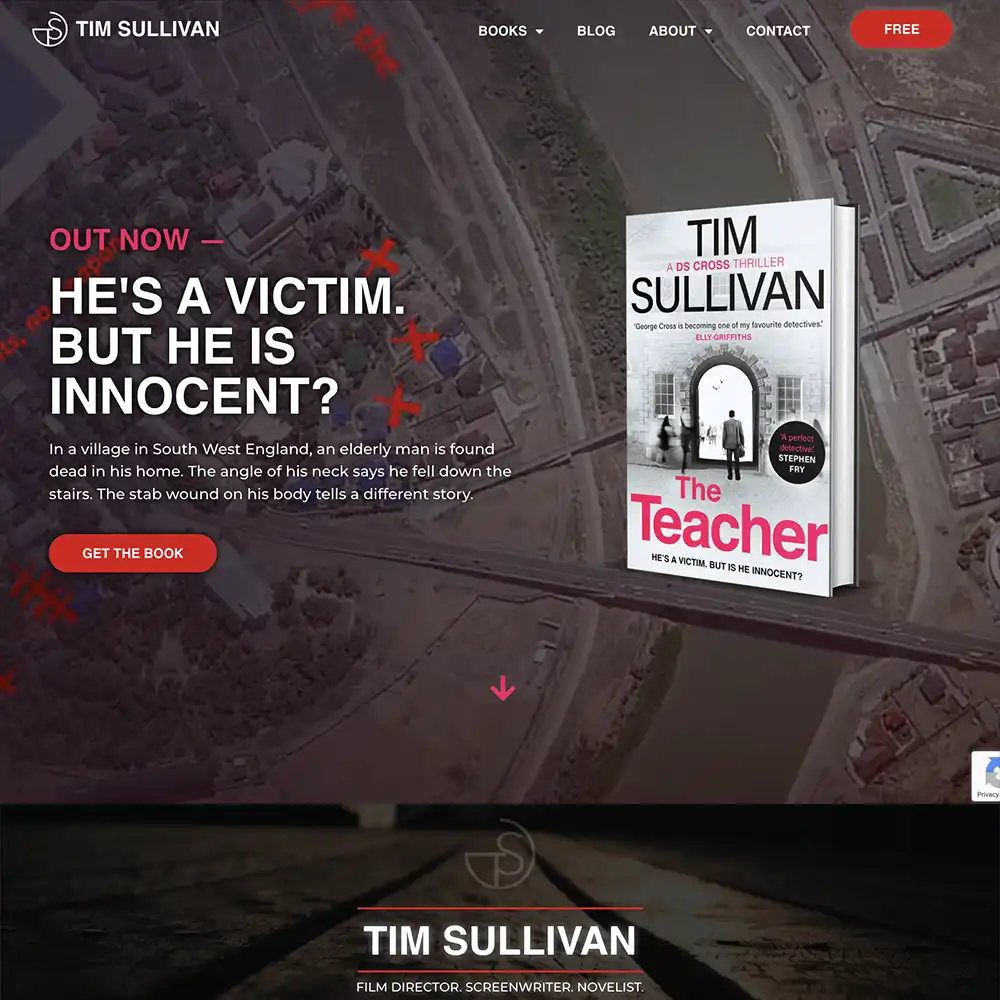
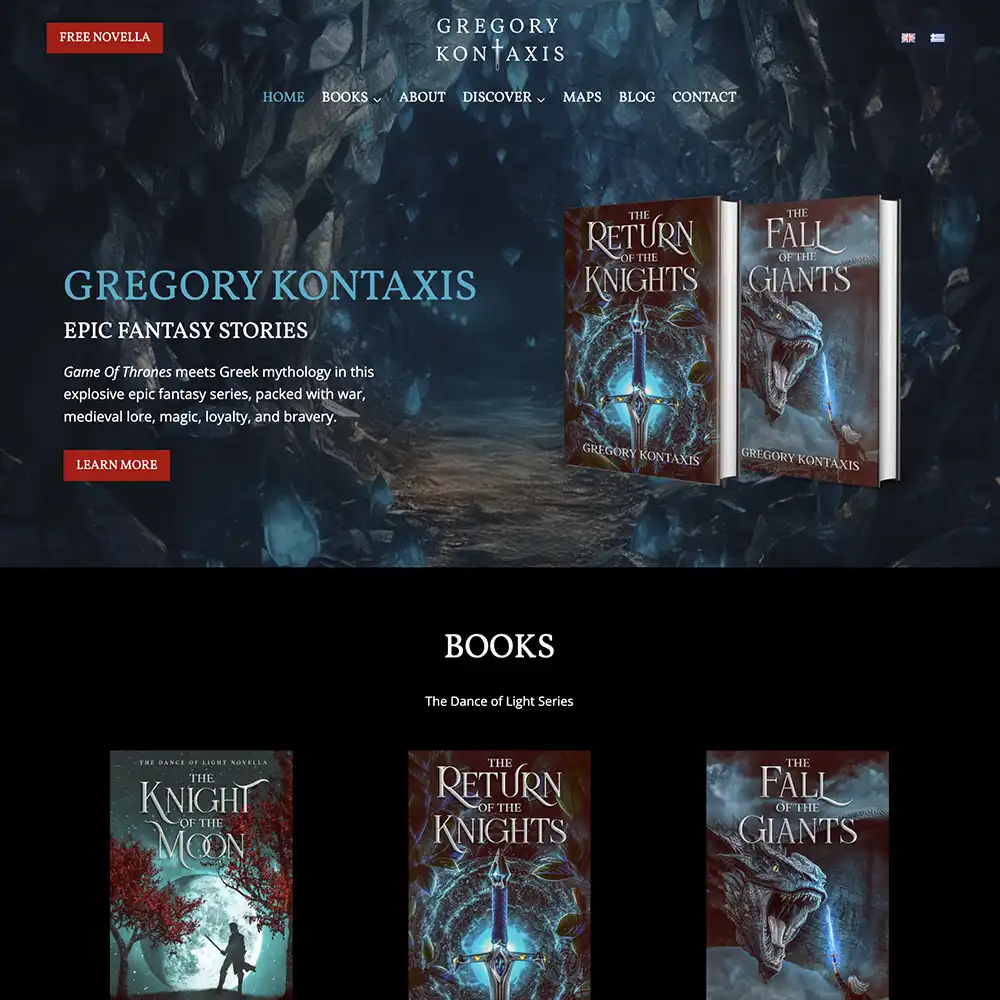
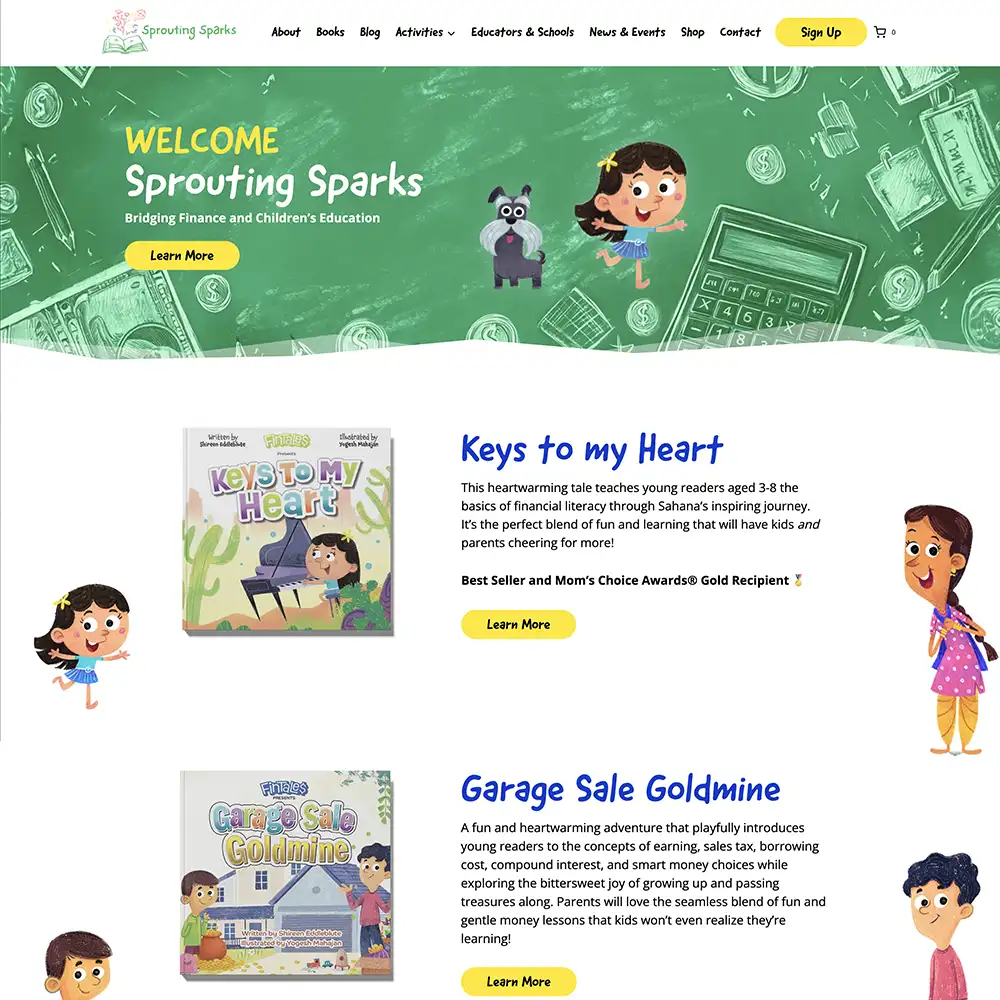
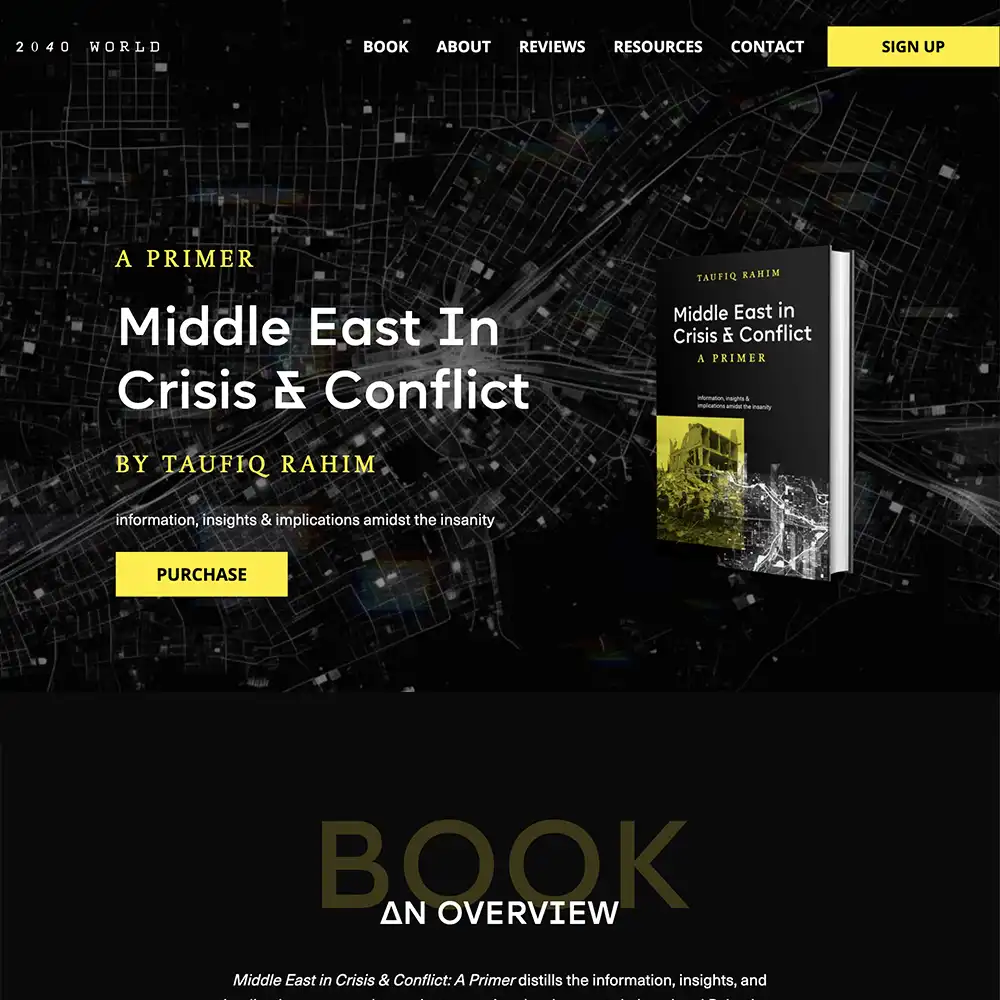
- Author Website: If a reader hears about you through word of mouth, you want to ensure it’s easy for them to find you with a simple Google search. With a website, you control how a reader discovers your work while showcasing what you’re about. It’s the perfect place to learn what they want to know!
- SEO blogs: Another way to be stumbled upon is by posting blogs that target keywords your target readers search for. If they like what they read, they’ll be intrigued by what else you offer.
- Social media: Although algorithms can be hard to figure out and capitalize on, it’s still worth doing your own promotions for your books in hopes that readers discover you. Who knows? One passionate reader with a platform could change the trajectory of your book sales.
- Ads: If you’re not afraid to invest in your discoverability, paid ads (like Facebook ads or Bookbub ads) could be an efficient way to promote your book to the right audience. Since ads allow you to target your readers directly, you’ll be putting your book right in front of potential readers for as long as you run ads.
(The above applies to non-fiction authors providing services and products besides books, too! Just ensure you adjust the funnel to point towards your audience discovering your business and products/services.)
Step 2: Offer something worthwhile
Having a catalogue of books for new readers to pick from is not usually enough (although it’s a massive help).
Buying your book (or service) still involves money. If you want them to invest that money and hours of their time into your books, you need to provide value up front.
Value does not include simple information that customers or readers can find on Google that makes you stand out. Yes, it’s valuable to expand on your book’s hook, or your service’s edge over competition.
This is just standard marketing.
But to win your audience over in your funnel, you need to provide something that’s not easy to find otherwise.
Your offer could be:
- Extras: For example, character descriptions, maps, glossaries, deleted scenes, recipes, etc., that make you a destination for your audience to grab what interests them.
- Freebies: This can be a free bookmark or cap with a pre-order, free trial, demo, or anything that sweetens the deal.
- Free ebook: One of the best ways to give readers a taste of what you can do as an author is to give them content for free that they’d ordinarily pay for. For example, a free prequel, a free mini-guide that accompanies your main book, a cheatsheet, sample chapters for your next release, a novella that provides backstory on popular characters, etc.
Step 3: Build your list of readers and leads
Landing page to send readers, either a sign-up page, contact page, or service page to show what you can do.
Now, you need a place to capture these interested readers.
AKA, a landing page.
A landing page is where you will lead potential readers at the top of the funnel. When they click on an ad for a free ebook, they will be directed to the landing page.
Or if they click on a link on a post for a free demo, they’ll be directed to a contact page or a service page to fill in their details and submit.
For non-fiction authors and thought leaders, the landing page can give important information about the business and the benefits that you could offer.
Make sure your landing page allows the audience to give their basic information (name & email) that you will use to communicate further with them and nurture them to the MOFU stage of the funnel.

In the case of fiction authors, the landing page will be a sign-up page, where you’ll offer a reader magnet, like a free ebook, in exchange for the reader’s email address.
If the offer intrigues them, they’ll sign up, the free ebook will be sent to their inbox, and boom – they’re on your email list.
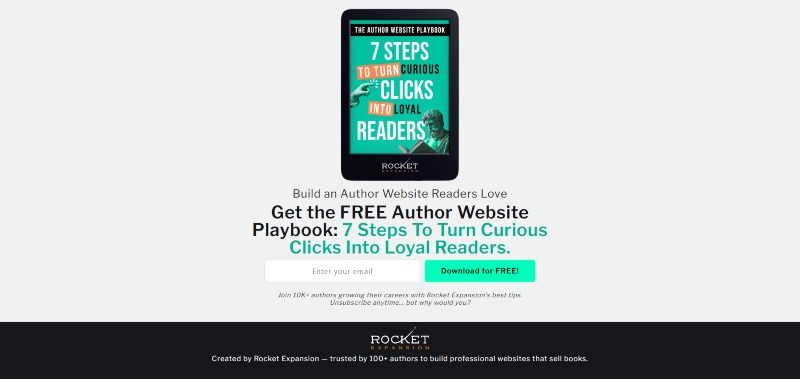
Make sure to test all the links and ensure the emails go off and the readers get signed up, then you’re good to go.
Step 4: Stay connected
Next, all you have to do is send amazing content that will warm up the audience to the possibility of buying your book (or doing business).
No pressure or anything.
You don’t have to speak about your new release in every newsletter, but you can also discuss things related to your genre or your writing process.
Providing such information will set you up as someone who knows what they are talking about.
This itself is another reason to buy.
And once the first email campaign (also known as the onboarding sequence or welcome sequence) is finished, don’t abandon the audience. Make sure to send frequent emails so that they don’t forget you.
Once a week, even once a month, is better than once a year before your next book release.
Is your sales funnel working?
It doesn’t end at setting up your sales funnel. Ensure you keep track of how readers interact with your site so that you can market efficiently.
If something is clearly not working, why continue? Use your resources in such a way that they will lead to sales.
Try these:
- Have multiple variations of your TOFU content, make sure you use Facebook Ads, and you can get a lot of potential book sales for a relatively low cost.
- Test different audiences that have an interest in your work, and see how the different audiences respond to the different Ads.
- Test different versions of a similar landing page to cater to different focal points.
Key Sales Funnel Metrics to Track
And lastly, you can track how your sales funnel is doing using these metrics:
- The number of entries – This is the number of new leads that enter your sales funnel during a certain period. They can enter the funnel at any point; it doesn’t always have to be at the top of the funnel.
- Conversion rates – measure the percentage of website visitors that turn into book sales, and leads that turn into actual customers (for non-fiction writers). These two are not the only conversion rates, but they are the main ones. You can go into more depth if you want.
- Funnel Velocity – This is how fast your potential customers move down the funnel from TOFU, to MOFU, and eventually BOFU. You can also look at how fast you turn leads into actual customers.
You’re good at what you do, otherwise, you wouldn’t be in business. But there is always room for growth and further development.
Where Do You Start?
For authors, a newsletter is invaluable since it’s unaffected by social media algorithms and it allows you to build a strong bond over time – so we’d recommend getting that going as soon as possible!
But there are a couple of steps before that, for example, the actual building of your email list. You need a place to send interested readers and an offer, AKA reader magnet, that they can’t refuse.
Most professional authors have a sign-up for their newsletter hosted on their website. And that’s where we come in – the website!
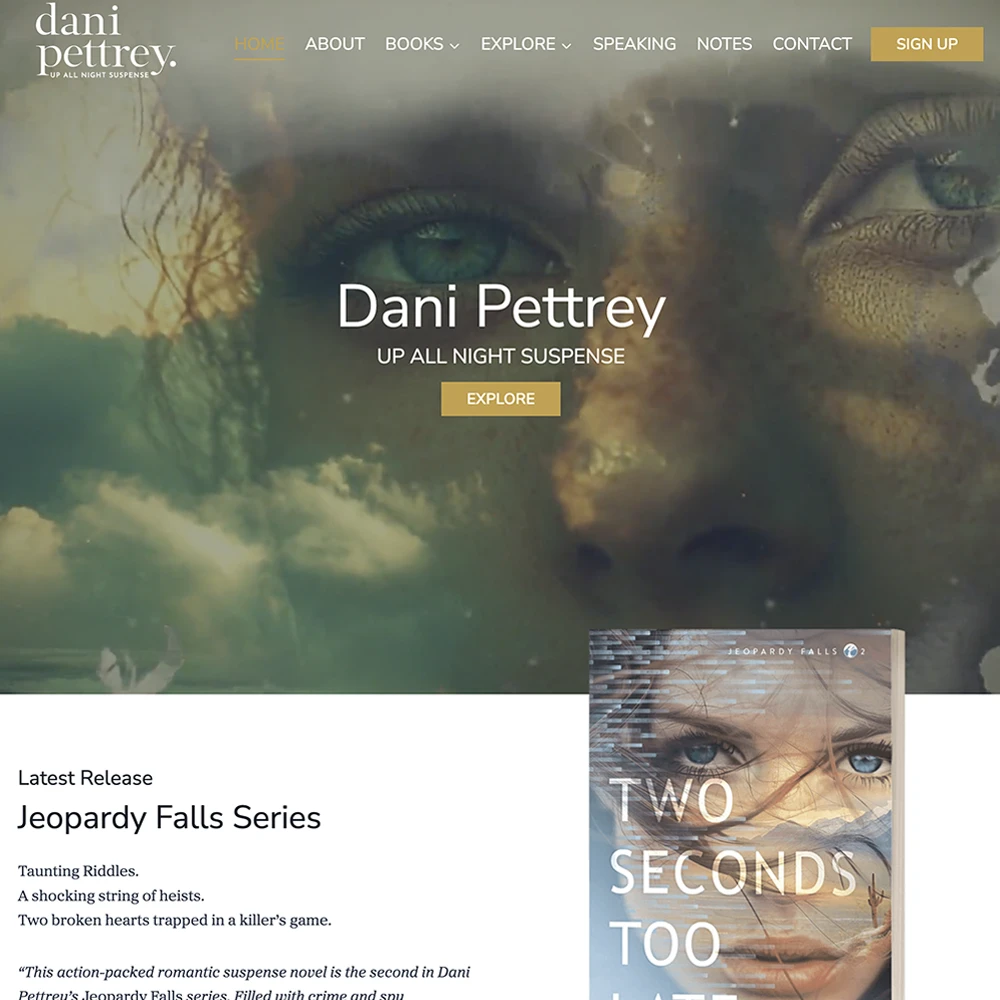
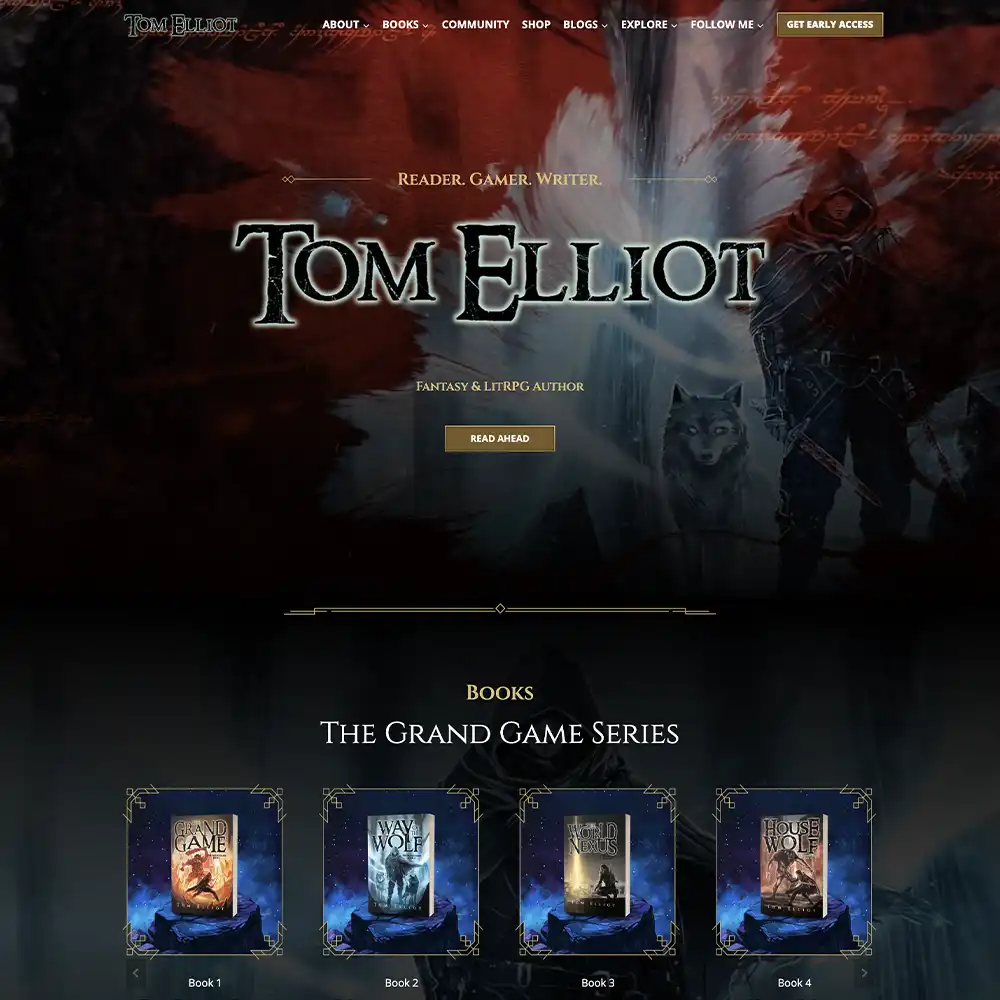
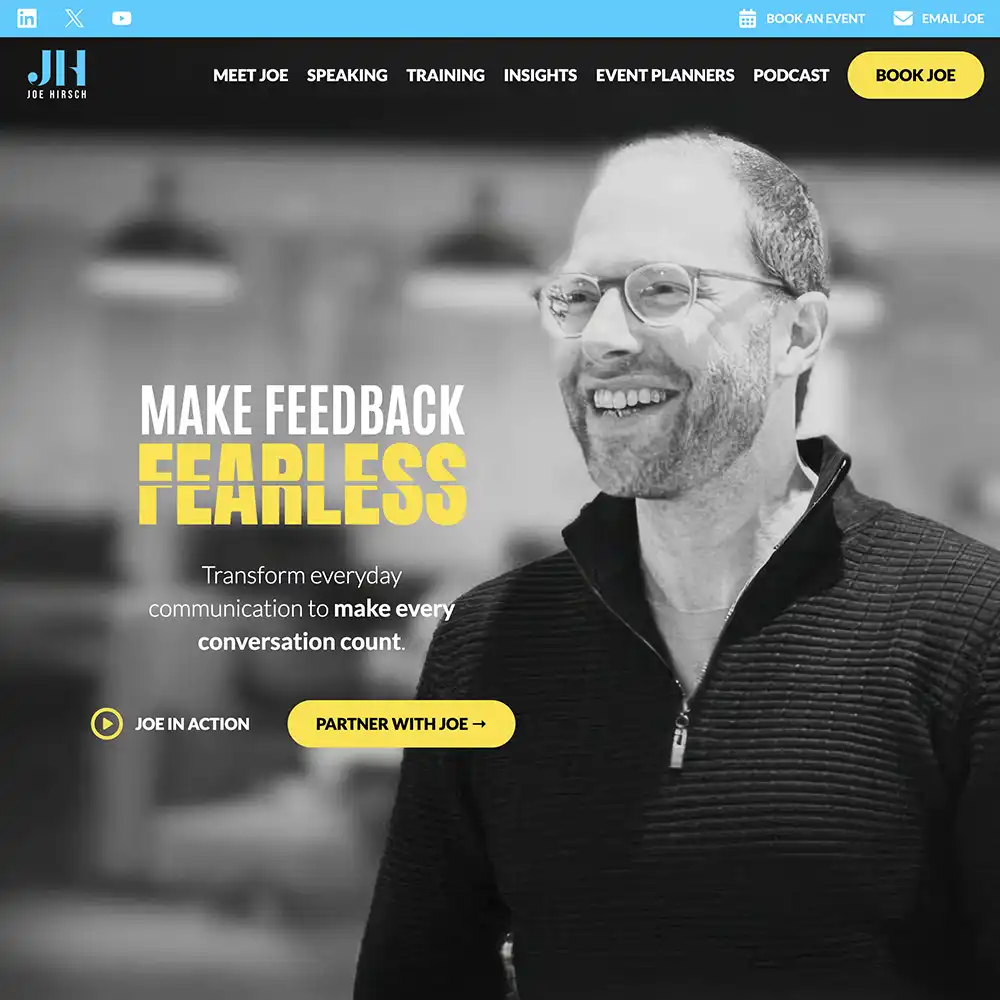
We’ve built 100+ high-performing author websites that do more than just look good—they help authors sell more books, grow their email lists, and build thriving fanbases. It’s imperative to the sales funnel!
We work with fiction and nonfiction authors across genres, optimising their sites for discoverability, conversions, and long-term success.
If you’re looking to boost your sales funnel with a custom, done-for-you website, let’s build one together.